

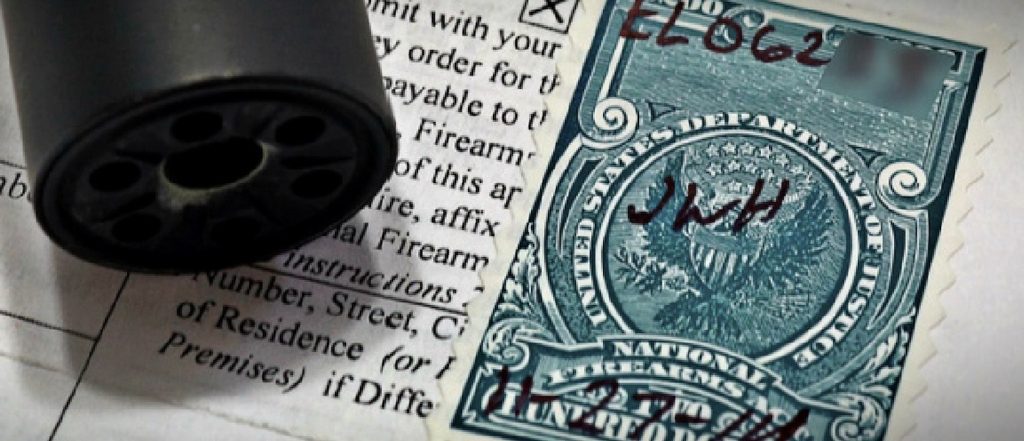
The National Firearms Act – A Tax Law That No Longer Has a Tax
In the recent discussion around the potential removal of suppressors and short barrel rifles from the provisions of the National
In the recent discussion around the potential removal of suppressors and short barrel rifles from the provisions of the National
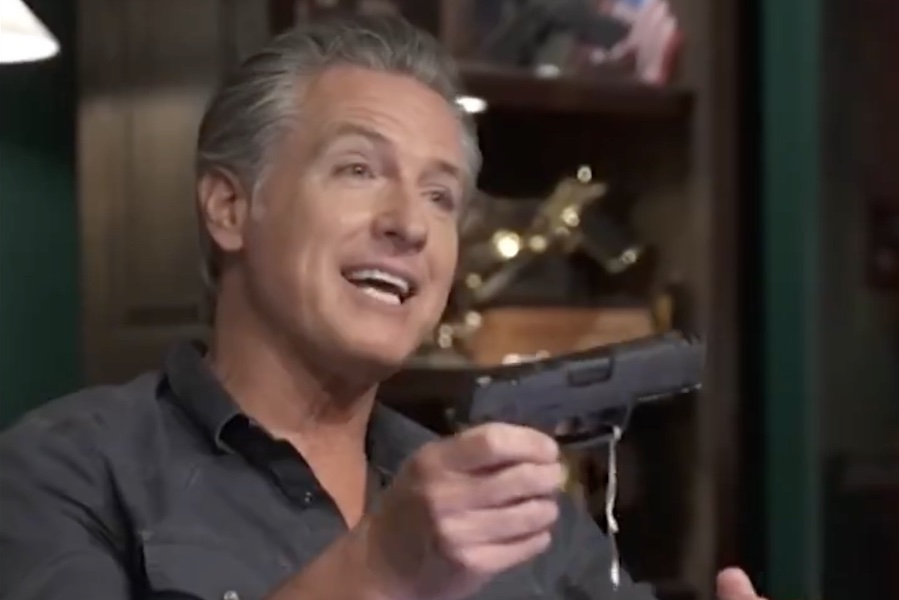
Newsom and his flunkies were probably too intimidated by their own gun laws to figure it out. For the low, low, price of a $10,000 donation to the Second Amendment Foundation, I’d be glad to help Newsom’s team figure this out.
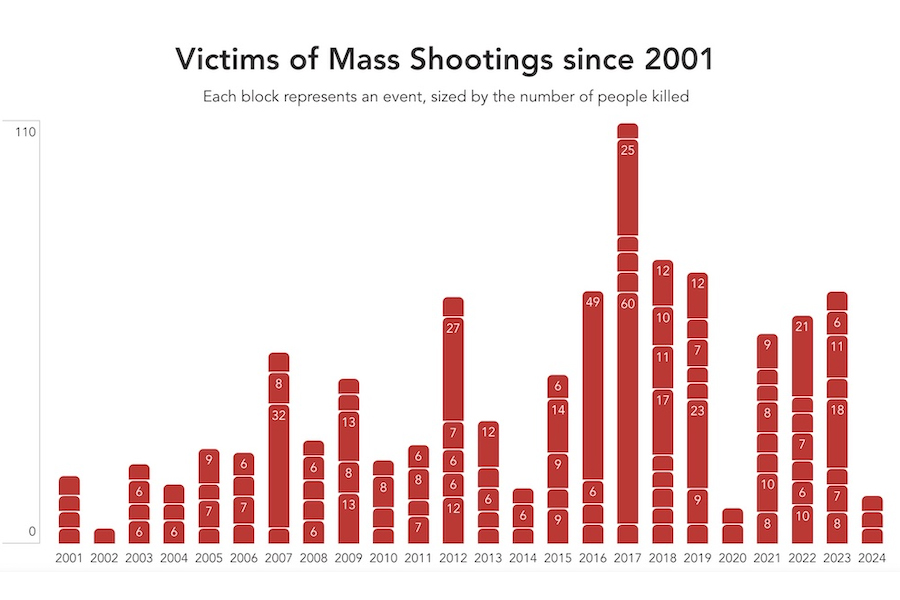
I hate to discuss any apparent “pause” in mass shootings, because it feels like that’s tempting fate. However, it’s hard
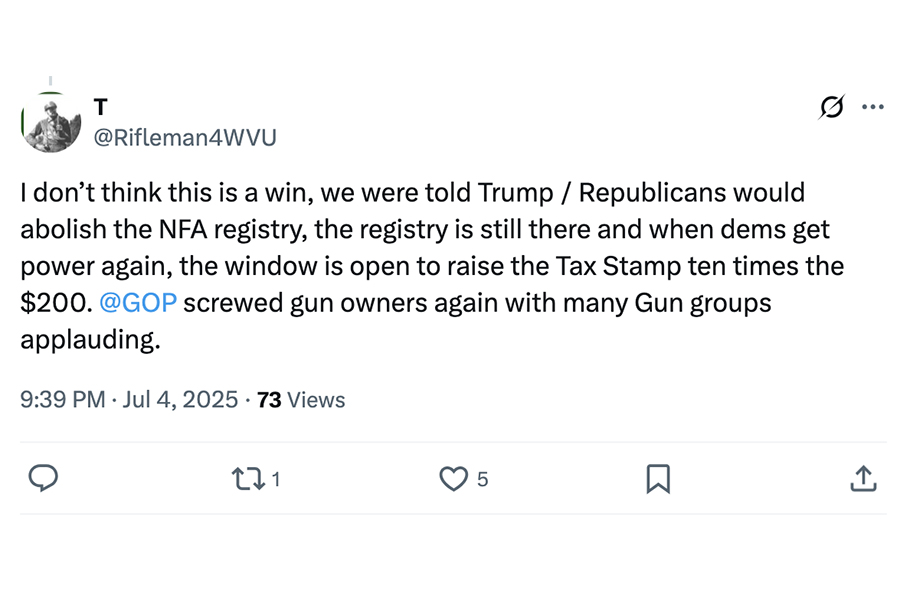
“The tax cut is meaningless. No one cares about the tax. Killing registration was what would have mattered.” That’s insane to me. A reduction of $200 per suppressor or SBR is not chump change, especially for those who make their own.
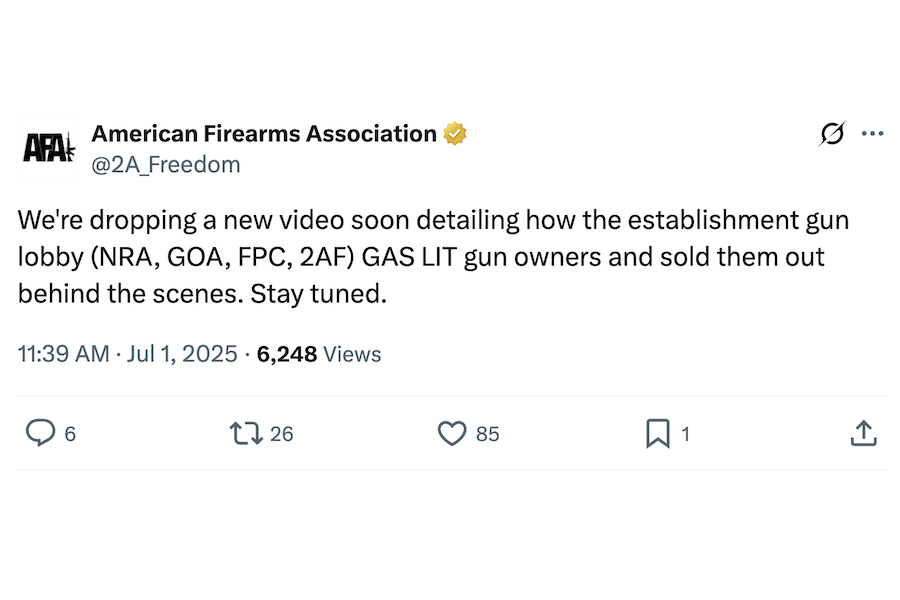
You certainly should be demanding of the gun rights groups you support, I don’t begrudge anyone that. But at the same time, a lot of grifters who have never accomplished anything of note are taking cheap shots right now with bullshit accusations.
Giffords has a problem with the latest provision the Senate has inserted in the Big Beautiful Bill, even after it’s
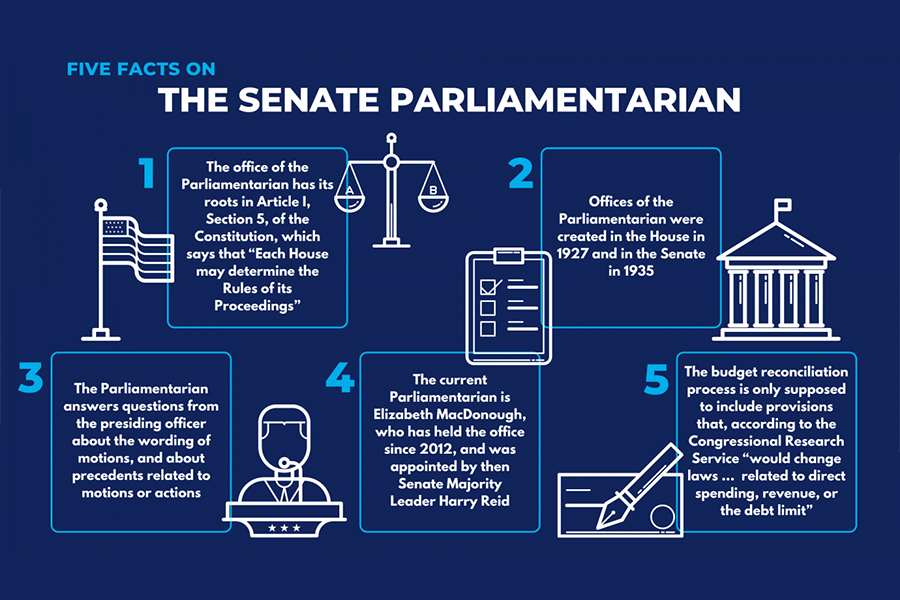
At this point everyone following the National Firearms Act debate is well aware of then-Attorney General Cummings’ famous testimony in
The upshot is that the Court is really busy with other stuff right now, and you all should just come back later. This case has been pending for nearly four years. Maryland gun owners will just have to chill.

In 2024, Kamala Harris sensed what the Overton window would tolerate, so she pretended to be pro-handgun. Specifically, she bragged

The answer is probably yes.