

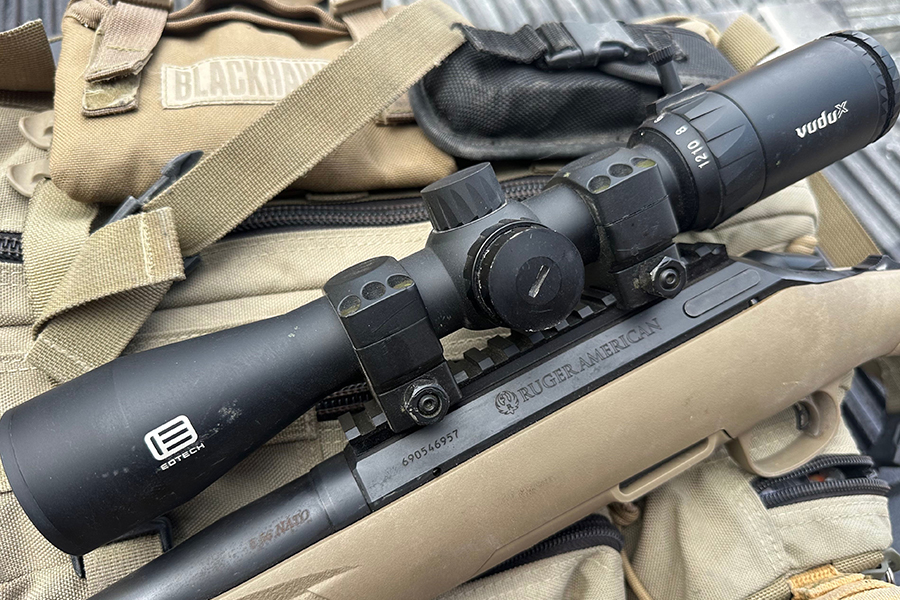
Great Glass: EOTECH’s VUDU X 2-12×40 SFP Rifle Scope
“VooDoo” is a complex of African diasporic religions with roots in West Africa, particularly among the Fon people. It encompasses […]
“VooDoo” is a complex of African diasporic religions with roots in West Africa, particularly among the Fon people. It encompasses […]
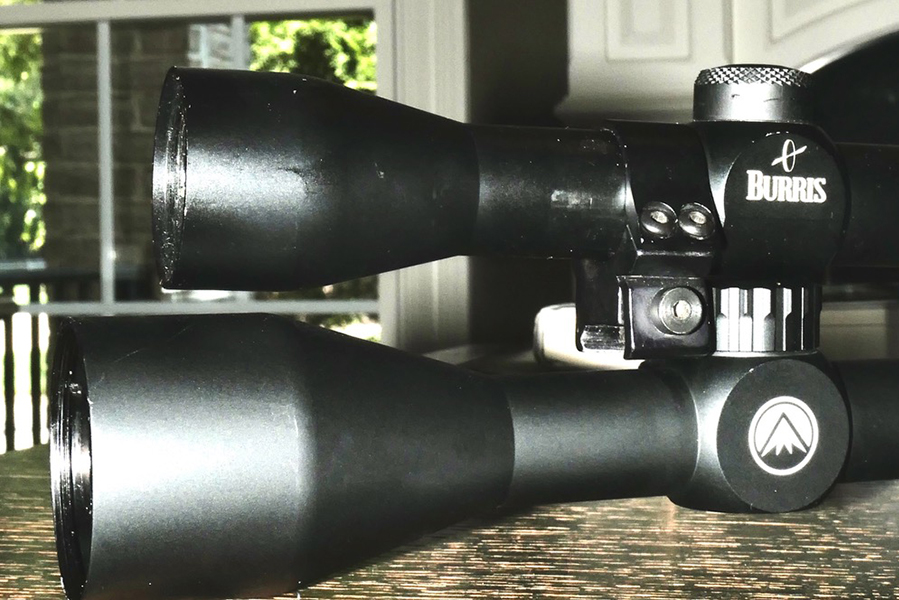
For several years, the optic sitting atop my well-worn “field grade” .22 rimfire hasn’t changed. The rifle and the Burris
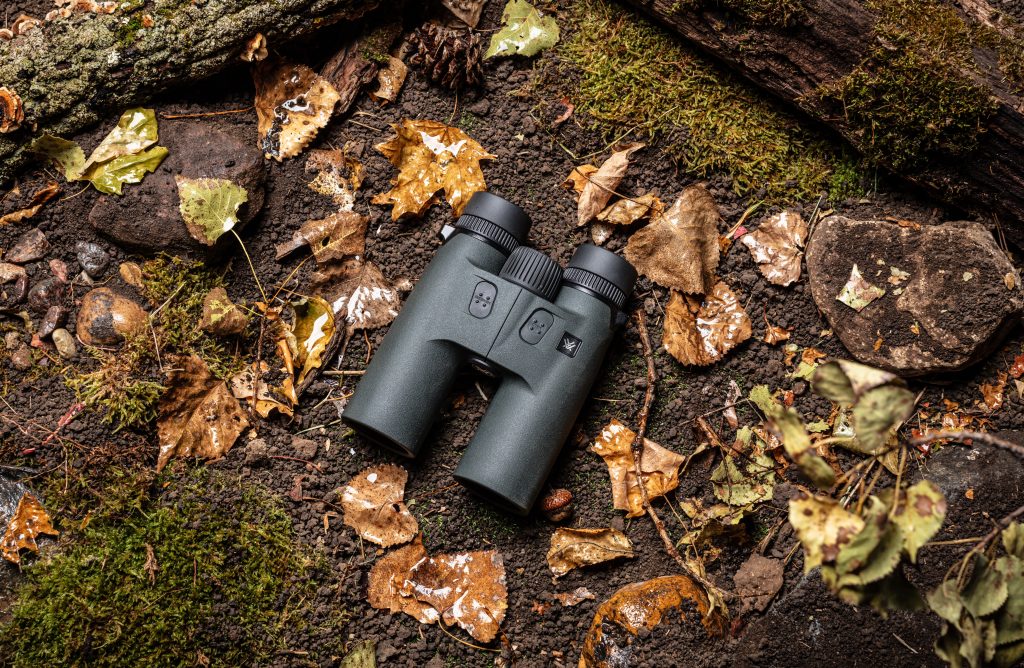
I am a connoisseur of optics. Like horologists or numismatists, I appreciate fine craftsmanship and continually seek the best value
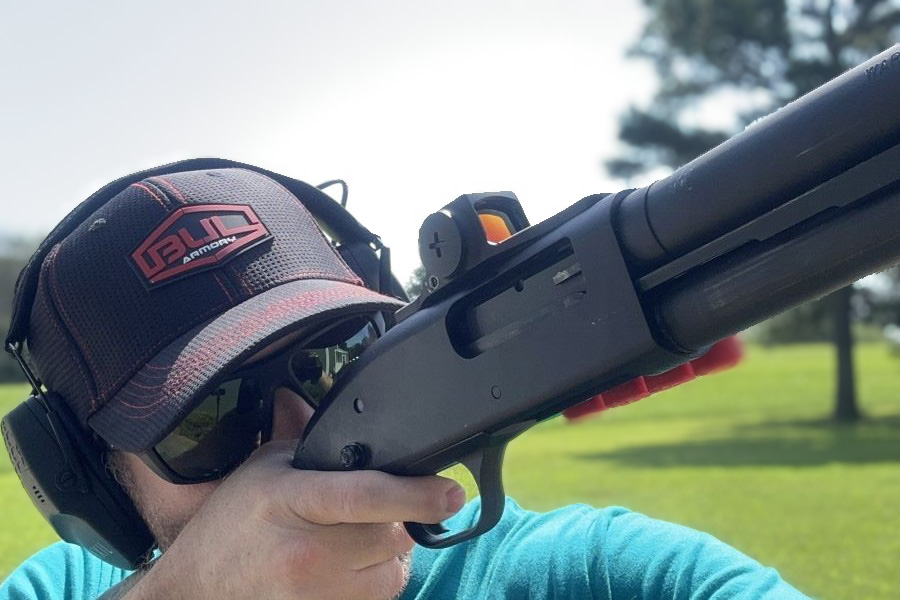
I can’t say I’ve gotten entirely used to the idea of a red dot mounted on a shotgun, but it’s growing on me. After using the Viper on my Mossberg 500 for the past few months, I’ll admit that I kind of like it.
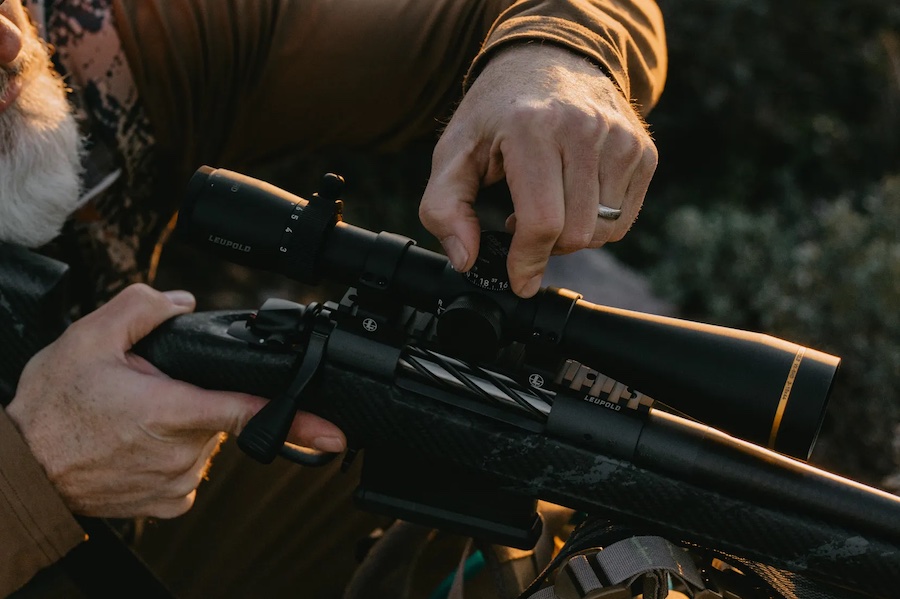
With a SpeedSet elevation dial for quick, tool-free zeroing, competition-grade adjustments, a redesigned main tube for increased elevation travel, an integrated throw lever, and ultra-rugged construction, the VX-5HD Gen 2 is the ideal hunting optic.
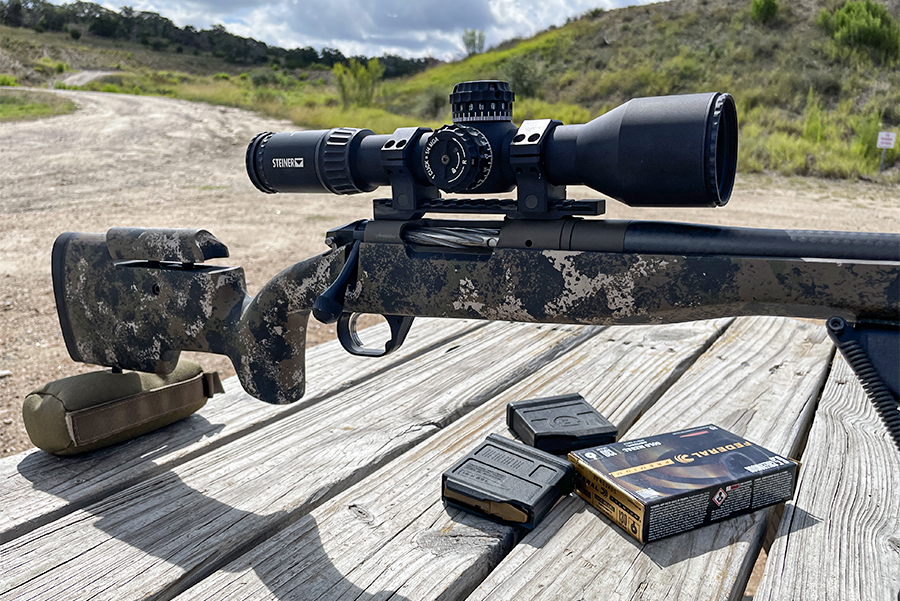
With its 6X magnification range, top-tier glass and maybe the best turret design I’ve ever seen, the Steiner T6Xi 2.5-15×50 scope is every bit as much at home on a carbine as it is on a bolt gun, and worth every penny.
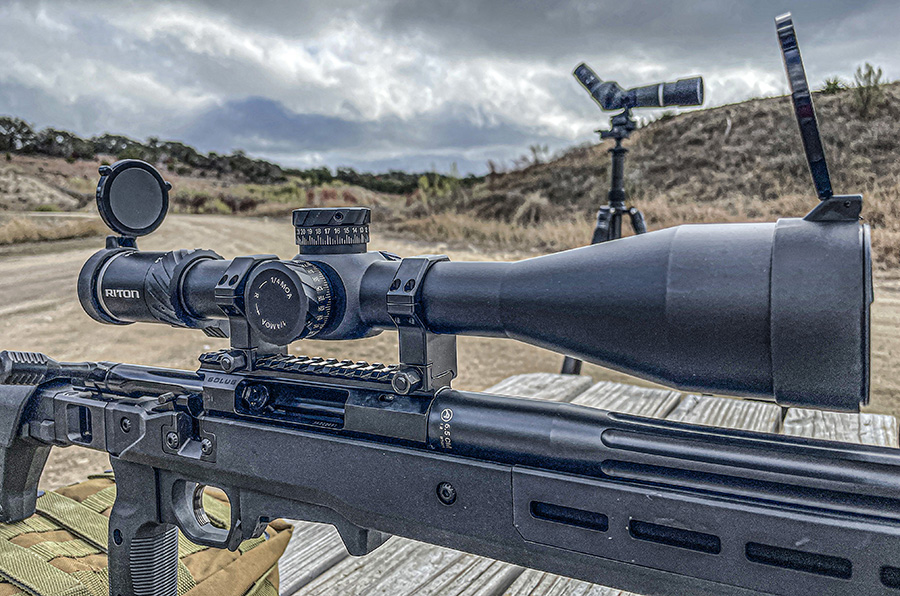
There is more than one way to mount a scope. But there are a whole lot more ways to screw it up. This process works. It gives you solid torque, straight alignment, and max eye relief—all without crushing your tube or throwing off your zero.
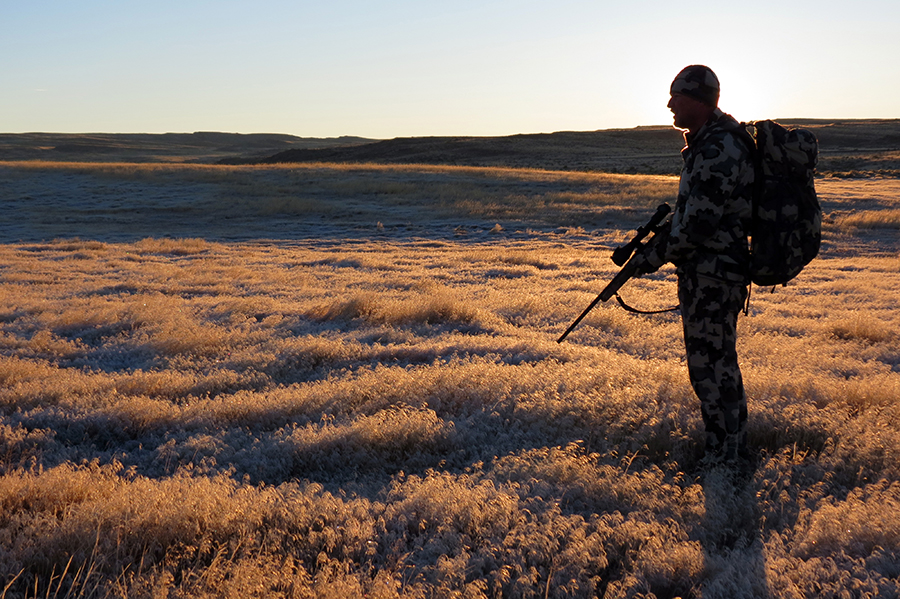
Your rifle might be good for different game at different distances, but the optic is what sets its limitations. The way you set up the glass often determines what the rifle is best suited for. That’s where most hunters get tripped up. Most hunters over-magnify.
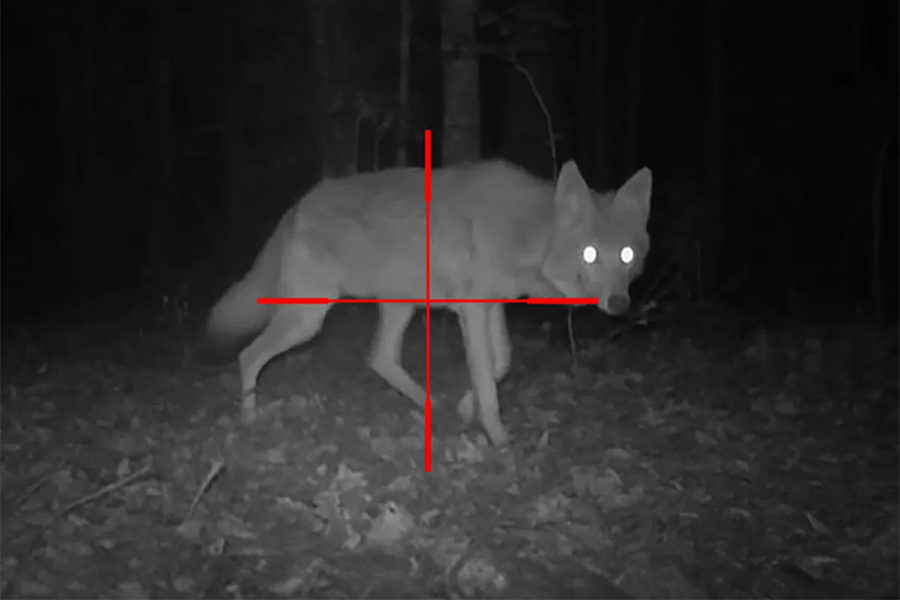
Under current regulations, it’s illegal to possess thermal imaging or night vision equipment while also in possession of a firearm, bow or other object that is used to harvest wildlife outside of the current window from Feb. 1 to March 31.
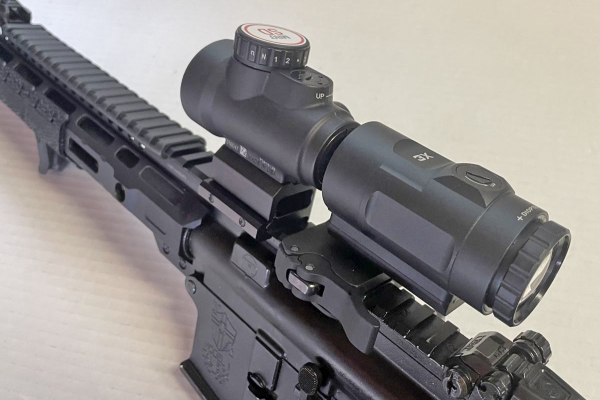
I first became interested in the AR-15 platform in the mid-1990’s. Prior to that, I was a member of my