

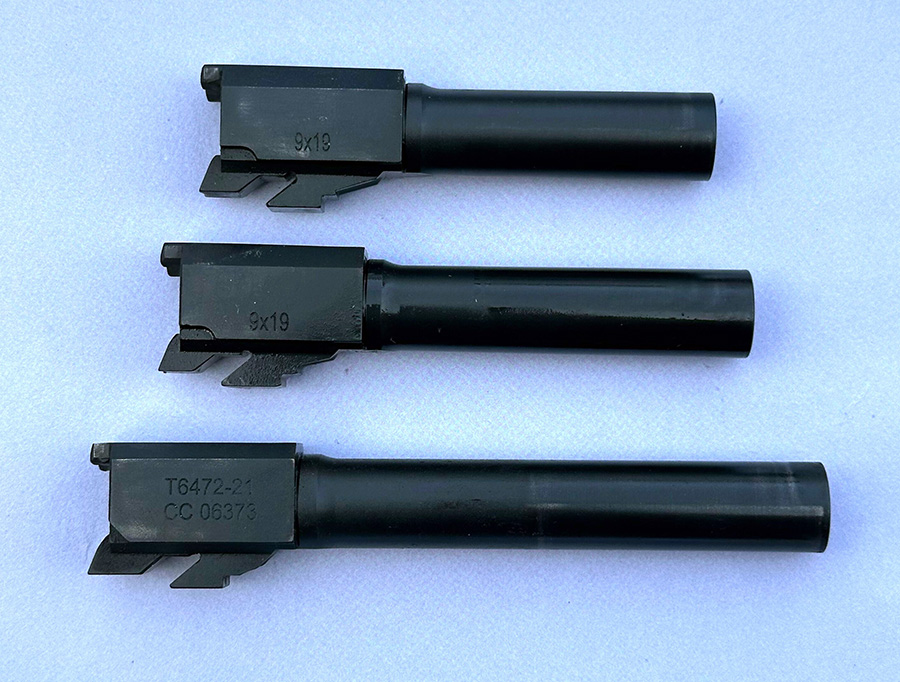
When it comes to barrels on fighting pistols or pistols that you are carrying with the expressed desire to protect your life, how long is long enough? Should your barrel be five inches long? Four? Three? Are shorter barrels a detriment for defensive use? Such are the questions I’ve been pondering.
The Long and Short of Barrels and Frames
“Compact” and “subcompact” have been the buzz words for concealed carry/EDC pistols for decades now. Going back to the single and double-barreled derringer era of 150 years ago, Americans have wanted concealable, easy to carry handguns since before the popularity of the centerfire cartridge. The small .44 caliber Henry derringer pistol that killed Abraham Lincoln was a percussion cap-fired, muzzleloading firearm.
For as long as I have been paying attention to the gun world, there’s been an ongoing struggle to make handguns that are concealable and easy to carry while attempting to balance that with reliability and shootability.
The ultralight .380 ACP pocket pistols that were all the rage about fifteen years ago were small, light, and easy to carry in a pocket or purse. However, they had stiff recoil springs, short, thin slides, and subcompact frames that would barely accommodate two fingers. Tens of thousands of neophyte gun owners held these guns in the store and were convinced that they were the perfect solution for concealed carry. That is, until they went to the range and fired them for the first time.
I personally know three husbands who purchased these .380 pocket pistols for their wives in order to get them to actually carry a gun. All three reported back to me that their wives refused to fire more than one or two magazines through the guns. To their credit, the men in question traded those pistols and bought Ruger LCR revolvers for their wives. All of the wives then voluntarily shot the LCRs and carried them.
When gun makers set out to make compact or concealed carry handguns, the standard practice was to simply shorten the barrel and make the grip area or frame smaller. That also makes the guns much lighter than a duty-sized gun, reducing the mass of the firearm…mass which helps to reduce felt recoil.
The tiny wooden grips on the classic J-frame revolvers were easy to conceal, but offered very little to hold onto when shooting. Back in the old days, those who had to carry such guns often wrapped the small wooden grips in rubber bands or even grip tape like you’d find on a baseball bat or tennis racket. Hogue and Pachmayr both fixed that problem.
The lesson of all this is that even guns firing relatively mild recoiling cartridges like the .380 ACP and .38 Special should have something the shooter can actually hold.
Short Barrel, Full Grip
To address the control factor, Smith & Wesson and Colt produced their DA revolvers with 3-inch barrels and full-sized grips. Back when I was just a pup, such wheelguns were considered a true fighting man’s weapon. Colt famously took their uber popular M1911A1 and created the Commander and Lightweight Commander. The Lightweight Commander used a full-sized aluminum frame and reduced the slide and barrel length. Once more, for concealed carry, a Commander-sized gun seemed to be the perfect fit…reduced weight, but full-sized grip/frame to hold.
We all know about how GLOCK took their 19X US Army pistol trial submission and turned it into the GLOCK 45. For those who don’t know, the G45 is essentially a GLOCK 19 compact slide and barrel mounted to a full-size GLOCK 17 frame.
Initially, many folks in the concealed carry arena scoffed at the G45 saying that it’s the frame that gives away (prints, sticks out) a concealed handgun, not the barrel/slide. While that much is true, GLOCK wasn’t marketing the G45 as an EDC gun, they were marketing it to law enforcement as a duty pistol and it was a legitimate home run.
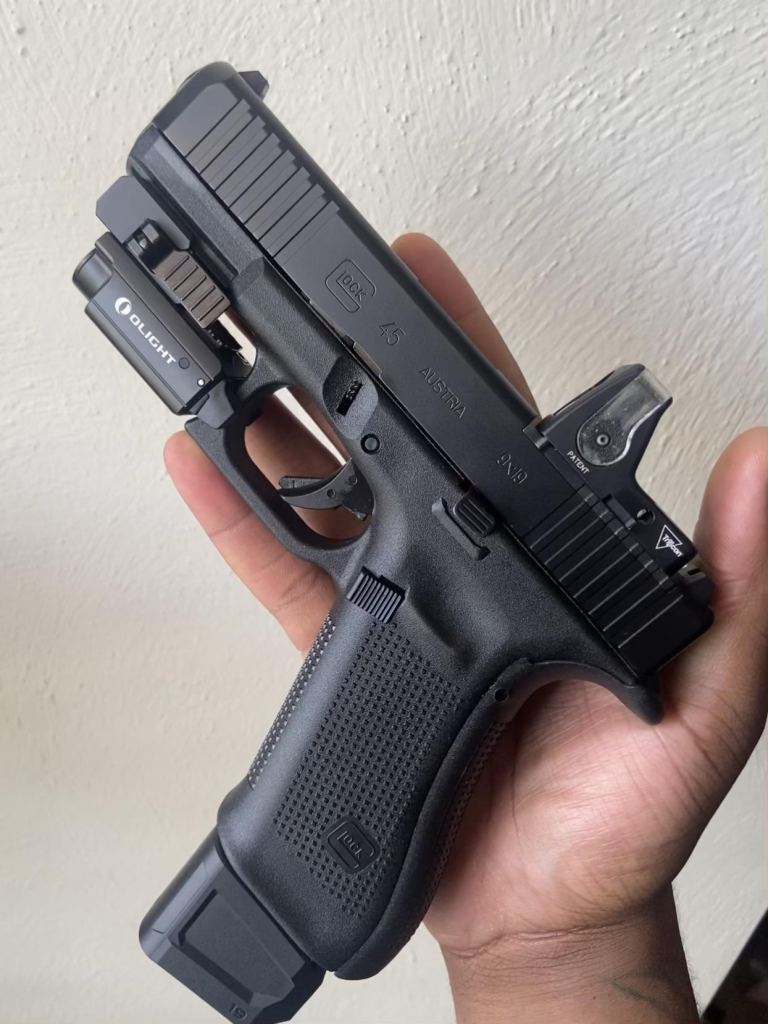
When police agencies began trading in either the G22 or G17 duty pistols, something close to a miracle occurred. Cops started commenting about how much they liked their new pistols. Why so miraculous? If you know anything about cops, and I was one, they never have strong opinions about the guns they’re issued. They are akin to building contractors who simply use the tools that their boss purchased. The American gun culture has far more opinions about the guns that police officers are issued than the cops themselves do.
If you research the why behind the G45’s success, you’ll get results like, The GLOCK 45 is comfortable to shoot due to its “crossover” design, which combines a full-size GLOCK 17 frame for superior grip and control with a compact GLOCK 19 slide for better balance and reduced muzzle flip.
How Short is Too Short?
While there are some in the gun community who will acquiesce to the better “shootability” of the G45, they’ll caution against shortening handgun barrels because of alleged loss of accuracy. Let’s face it, whether genuine or imagined, most gun folks were raised to believe that longer barrels equate to greateraccuracy, while shorter barrels reduce the accuracy of a gun. While there may be some merit to that way of thinking, particularly when it comes to rifles, does that really apply to concealed carry/EDC handguns that will be used in a close quarters environment?
For the testing portion of this review, I used three nearly identical 9mm pistols from Canik USA; the MC9 with a 3.18 inch barrel, the MC9LS with a 3.63 inch barrel, and the SFT with a .4.46 inch barrel. I fired the Double Tap ammunition 115 grain Round Nose Match (FMJ) through all of them for consistency.
As for practical distance, I decided to go with the old reliable “21 Foot Drill” distance or simply seven yards. Yes, there are self-defense scenarios that are longer and just as many — probably more — that are shorter. All the Canik METE pistols have what can be termed a very good and very consistent striker-fired trigger.
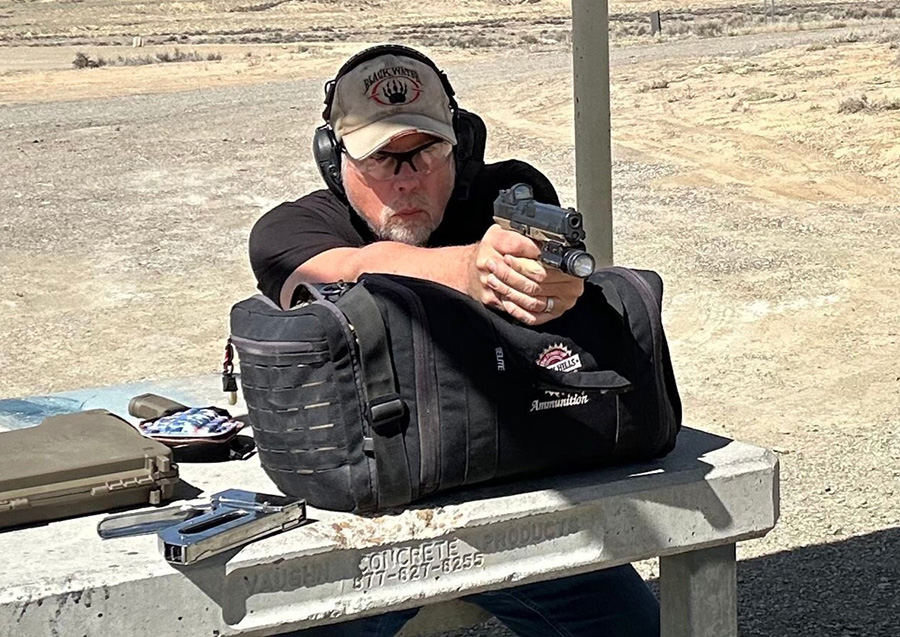
Stabilizing my arms on my range bag while sitting at the concrete shooting bench, I took my time and fired six shots from each of three pistols onto the target paper. As attested to by the included photos, each gun produced a large ragged hole where it was nearly impossible to count the individual shot holes. After patterning the guns on paper, I shifted focus to the 8-inch steel plate down range at twenty-five yards. Each pistol provided first shot ‘clangs’ on the steel.
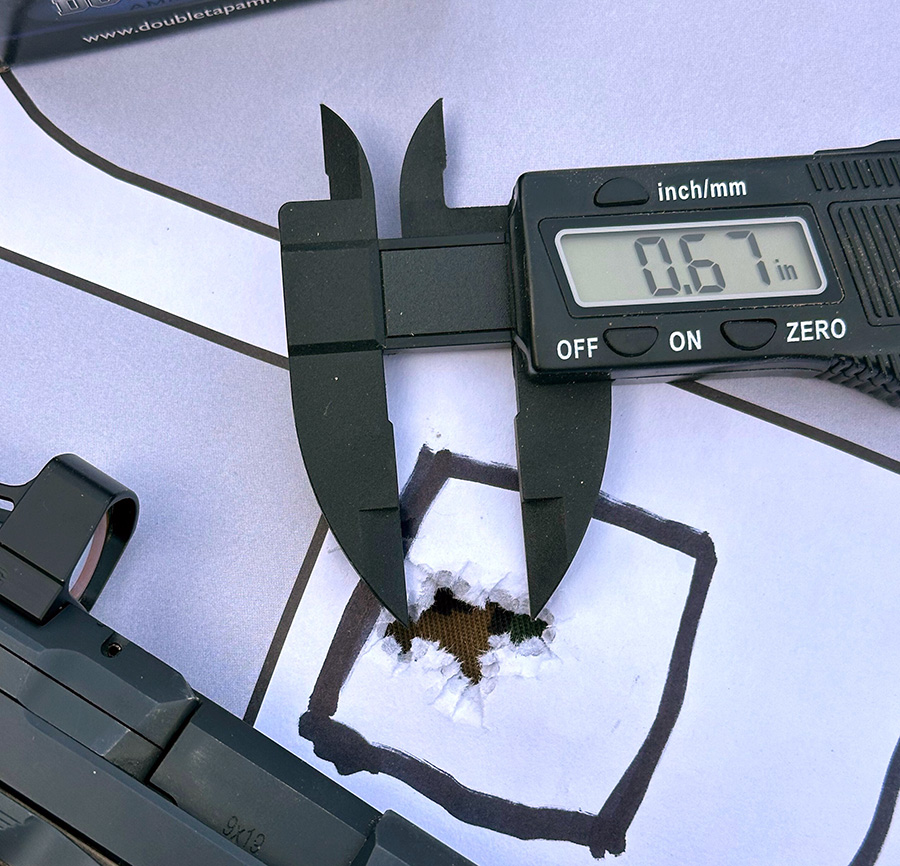
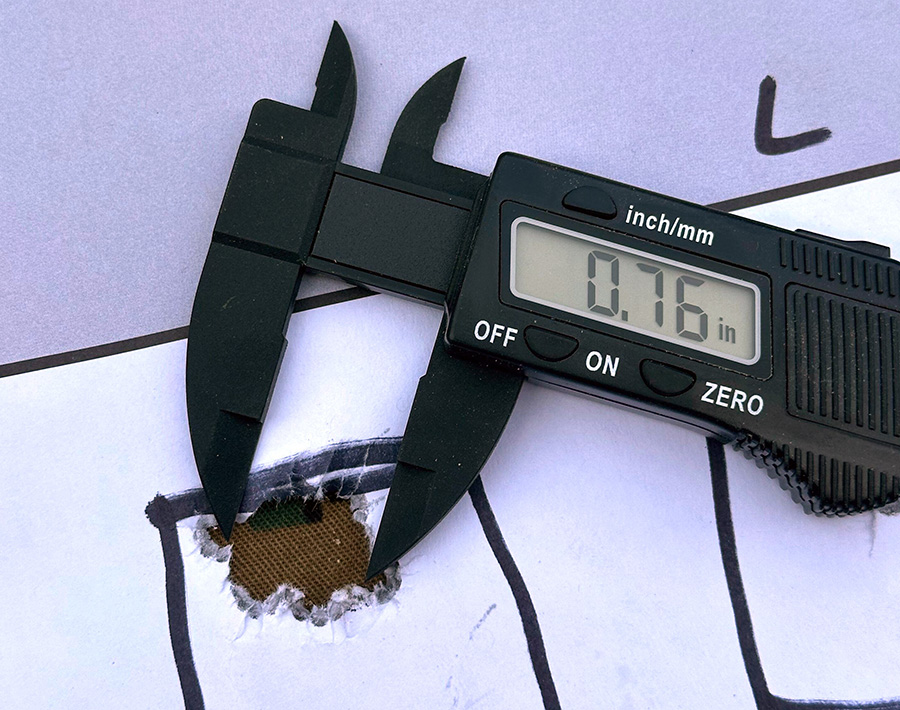
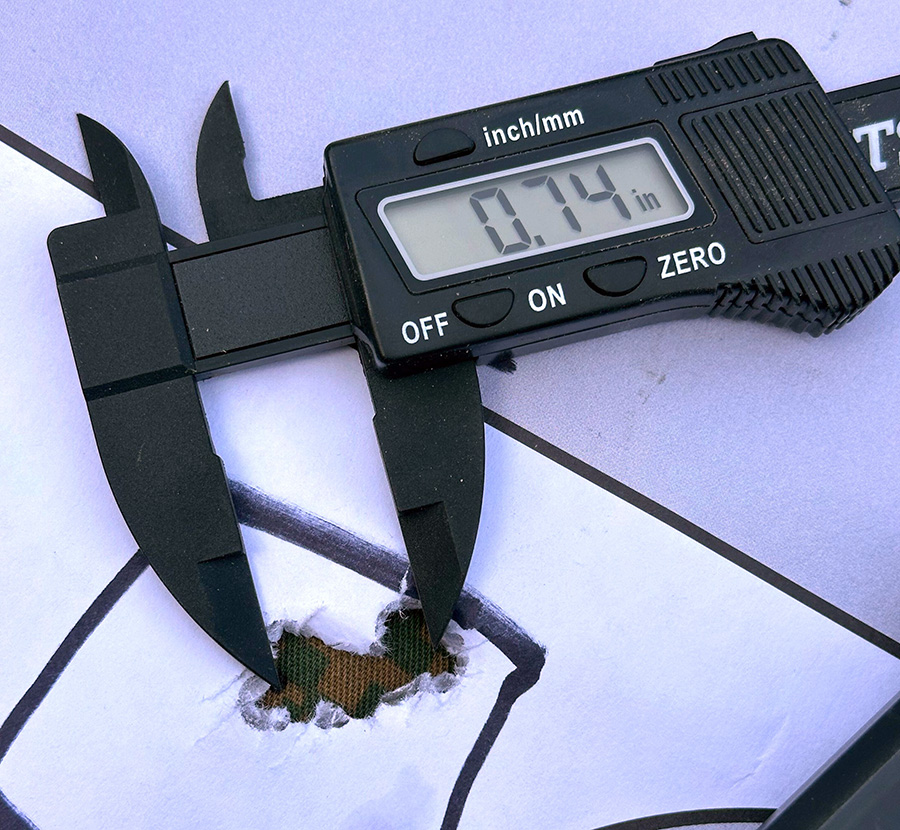
When I returned home, I pulled out the digital caliper and measured the groups. The results were impressive. From shortest barrel to longest the groups measured 0.67, 0.76 and 0.74 inches. So, despite a 1.25-inch difference between the shortest and longest pistol barrels, every gun put six shots in a sub-inch group. I believe that’s plenty of accuracy for a self-defense pistol.
Velocity?
One of you just screamed out “But velocity!” Yes, the drop in velocity from a GLOCK 17 barrel to a subcompact G26 barrel will average 50 to 100 feet per second, depending on the load. For decades, we’ve been conditioned to believe that we need long pistol barrels to guarantee proper performance of controlled-expansion bullets. And in times passed that was a concern. However, given the modern design of self-defense loads such as 100 percent copper hollow-point bullets have increased performance dramatically.
Also, and this is no small thing, the new Fluid Transfer Monolithic bullets designed by Lehigh Defense and used in the Black Hills Ammunition “Honeybadger” loads, do not need to expand to do the same damage as older hollow-point bullets. While relatively new (decade plus) the street results from law enforcement agencies using them has been impressive.
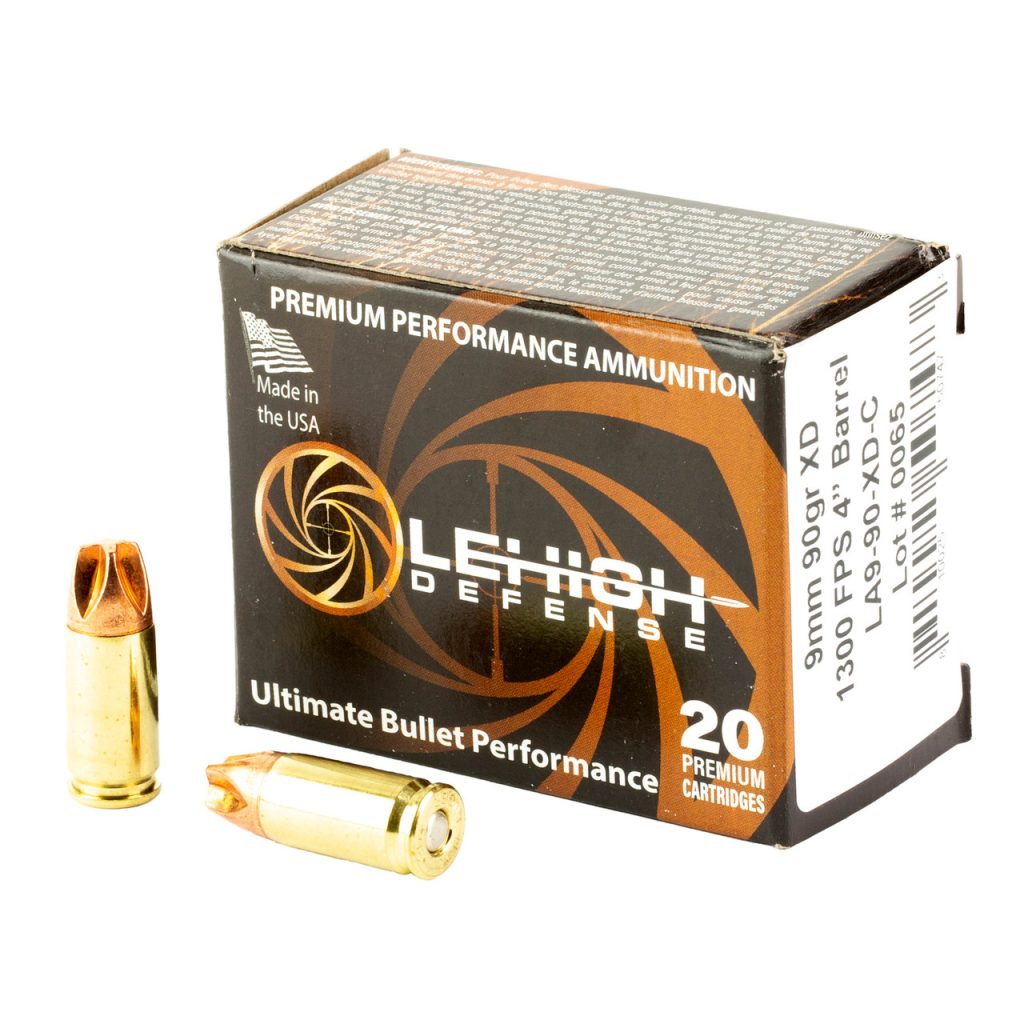
Known colloquially as “tactical Phillips head” bullets, these rounds have passed and exceeded the FBI’s standard testing.
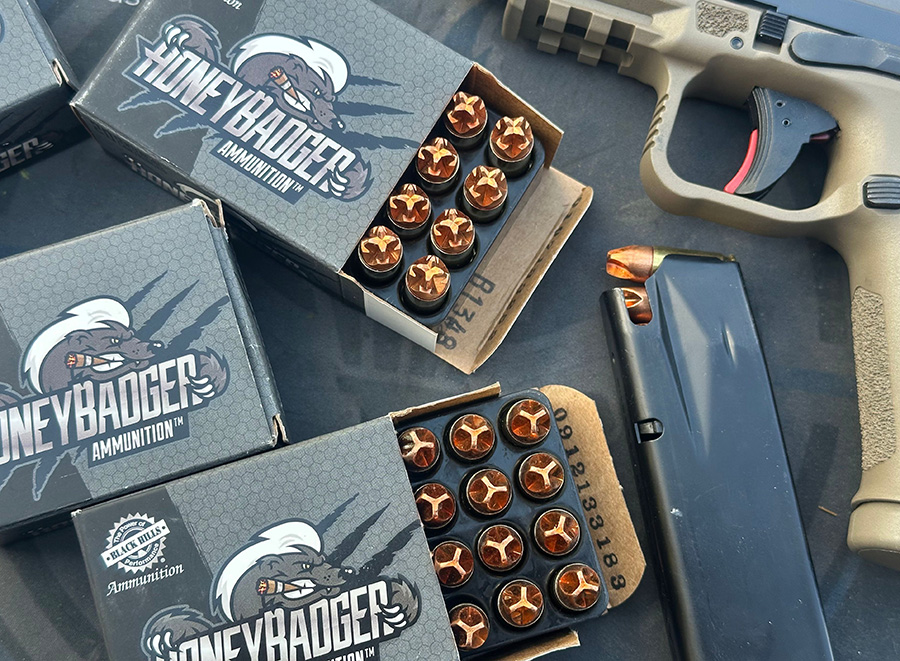
Black Hills Honeybadger makes 9mm loads with a 100 grain supersonic +P (1250 fps) and a 125 grain subsonic (1000 fps). Take your pick.
Parting Shots
With modern polymer frame pistols, the only real way to reduce the weight of the gun is to remove steel from the slide and barrel. A shorter polymer frame is only going to be a fraction of an ounce lighter. The subcompact MC9 weighs 21.7 ounces and the full-sized METE SFT weighs 27.84 ounces, the MC9LS is 23.77 ounces.
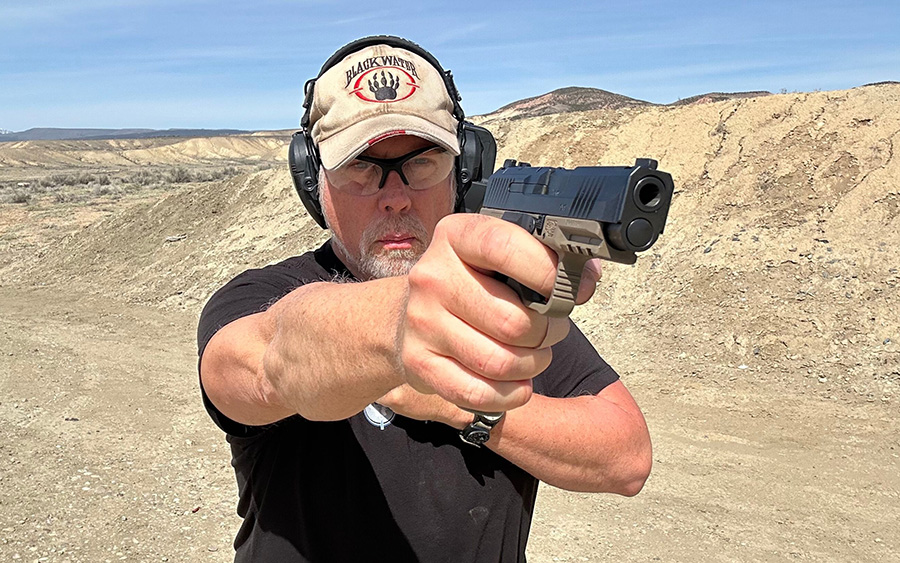
It would seem, at least from our limited research here, that for concealed carry or EDC use, longer barrels aren’t a necessity for accuracy. The shootability and ease of carry of the modern short barreled, long framed guns would seem to have much to offer the average armed citizen.
In the end, whether you can hit the target at five feet or twenty-five yards doesn’t so much have to do with the length of the barrel in the gun, but the hand that holds it.
Paul G. Markel is a combat decorated United States Marine veteran. He is also the founder of Student the Gun University and has been teaching Small Arms & Tactics to military personnel, police officers, and citizens for over three decades.