

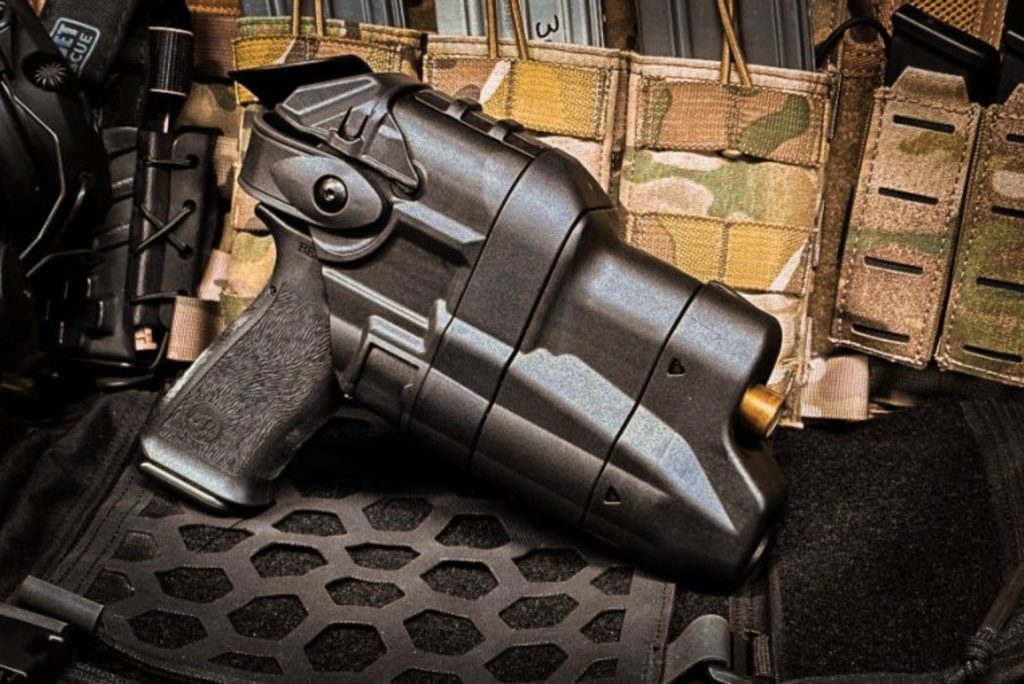
How many times have people in the firearms world, whether it’s gun writers, trainers, or YouTubers, used the term “muscle memory?” It’s almost a cliché in the gun community and people often throw the term around without explaining exactly what that is. In truth, “muscle memory” is a bit of a misnomer.
Muscle memory is better described as motor learning. Your muscles don’t actually “remember” anything about reloading a pistol or drawing a handgun. It’s simply a colloquial term used by everyone from “gun dudes” to professional sports trainers.
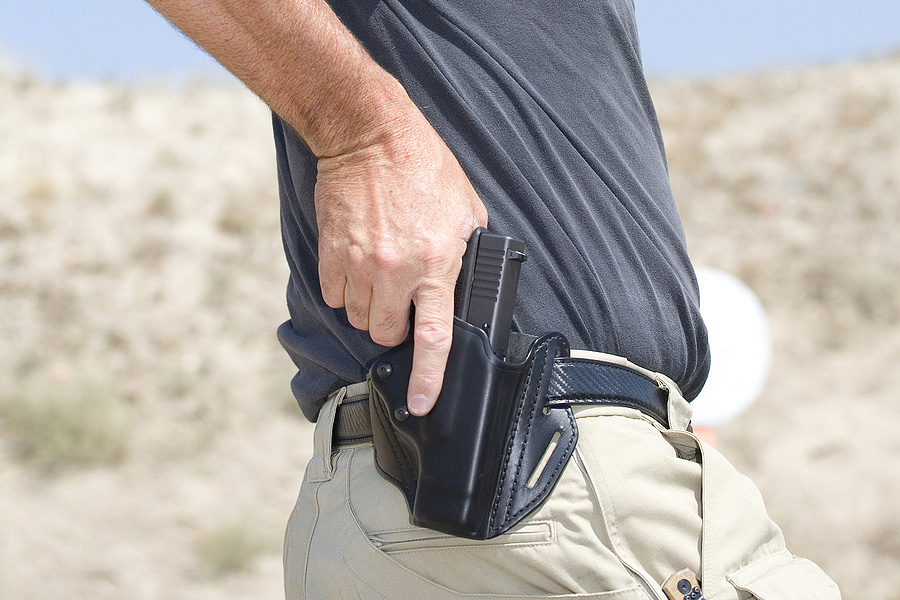
I get annoyed by pedantic gun people. I don’t understand why some people fly into a rage when someone says “clip” instead of “magazine.” Are they wrong? Sure, but we don’t need to act like they just insulted our mothers. However, terminology can be important, especially if you’re new to a concept.
Most people understand that muscles don’t memorize actions, the brain does. However, if all you’ve ever heard is “muscle memory,” you might believe your limbs are doing the thinking. While believing that won’t necessarily ruin your progress, understanding how to build motor skills properly will maximize the effectiveness of your training.
Does Muscle Memory Actually Exist?
Before we dig into motor function, it bears mentioning that “muscle memory” actually does exist, just not in the way most shooters think. It’s tied to something called myonuclear permanence.
The idea is that if you work out extensively and build muscle, then stop training to the point you suffer from atrophy, building that muscle back a second time is much easier than it was the first time.
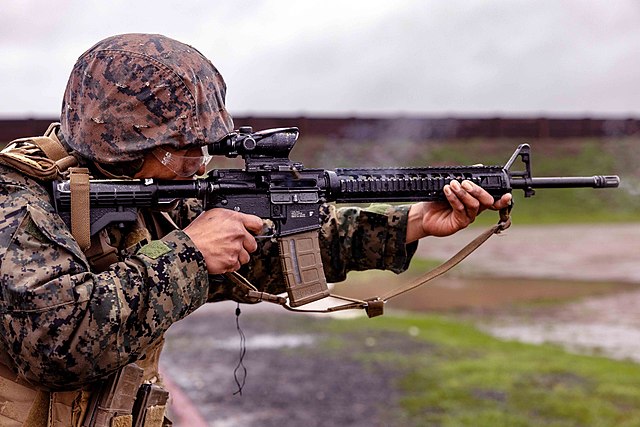
I keep telling myself that 36-year-old me can definitely get back to “19-year-old Marine Corps me” shape if I’d just stop eating those new holiday-themed Reese’s.
That’s what real muscle memory is. It isn’t tied to skills, but rather to muscle strength and size. Even then, the muscles don’t “remember” movements. The myonuclei (nuclei within the muscle fibers) built during exercise stick around even after the muscles shrink, allowing for rapid re-growth.
The Strength of Motor Memory
I’ve become quite good at typing over the last ten years. (If you’ve followed me since the beginning of my writing career, I apologize.) My fingers aren’t remembering where the keys are, my brain remembers through repetition.
The process eventually becomes automated. I’m not thinking any more about where the letters are. Instead, I’m saving that cognitive function to tell my cat to leave me alone or to make sure my seven-year-old isn’t terrorizing his sister. Motor memory allows us to preserve cognitive function, meaning we can think about other things while performing a task.
Since this is a website about guns, why does this matter? In a high-stress incident, much of your cognitive function will be occupied by your instinctual survival response. Neuroscientist Joseph LeDoux describes brain function under stress as the “low road” and the “high road.”
- The Low Road: A fast, subcortical pathway that sends sensory information directly from the thalamus to the amygdala. This triggers an immediate, automatic reaction (flinching, ducking) before you even consciously perceive the threat.
- The High Road: A slower, cortical pathway where the brain sends information through the sensory cortex for a more detailed analysis. This is where you process conscious decisions like identifying a target or moving to cover.
Your brain only has so much processing power. If you get overwhelmed, you might freeze. Having the motor memory of a task frees up some of that power. If you can draw without thinking about anything other than the decision to draw, you’ve freed up mental resources to focus on the “high road” response.
How to Automate Action
If we want to build firearms skills to the point of automation, we have to practice. For most of us, this involves a combination of live and dry fire. There are two primary ways to practice a task….
Block Practice
This is where you practice one repetitive skill over and over again. For example, during dry fire, I might practice drawing from concealment 50 times in a row, aiming for total consistency. Block practice helps you learn faster initially, allows you to master basic mechanics, and reduces immediate errors. Even if it gets boring, it’s a necessary foundation.
Random Practice
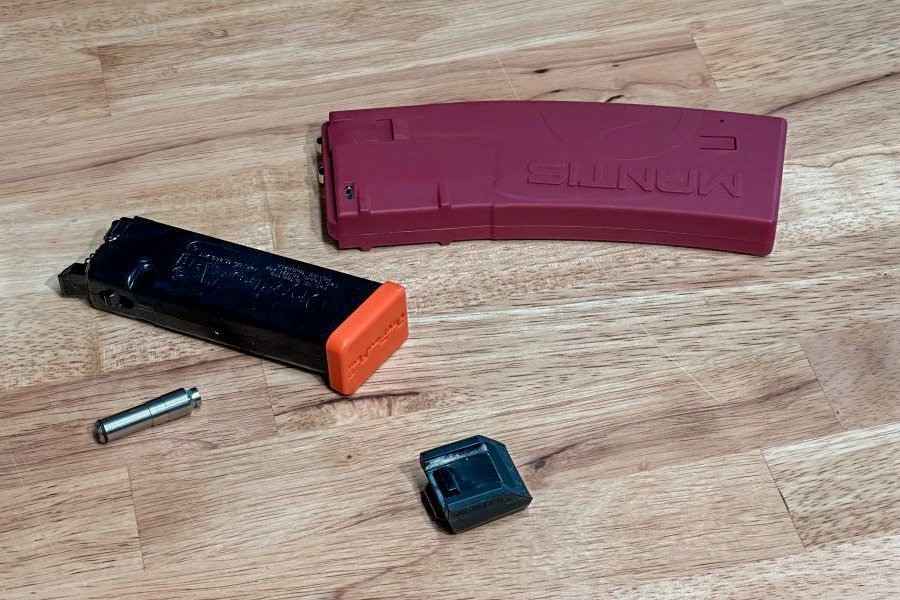
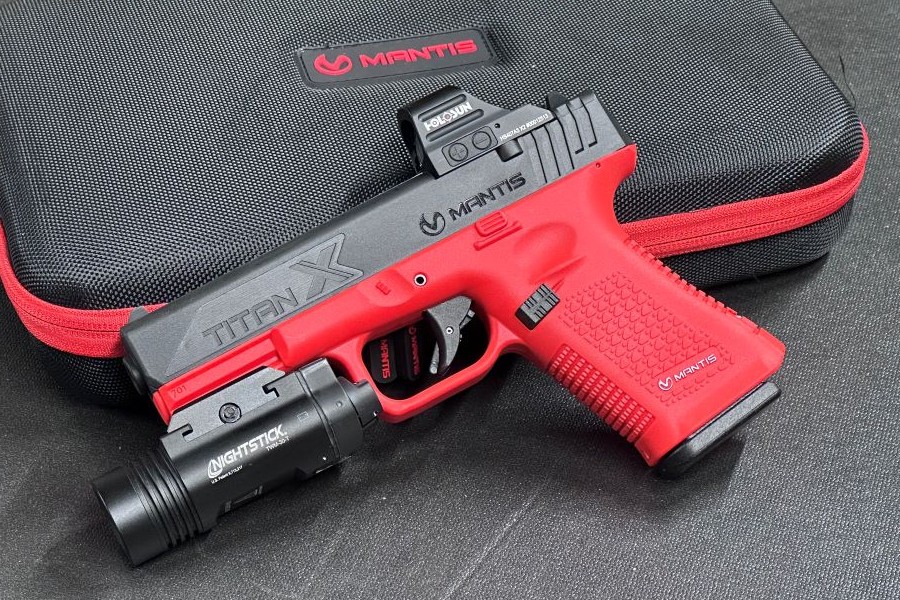
Once I finish my fifty draws, I switch to random practice. Now, I might draw and shoot a Bill Drill, then a Failure to Stop Drill, and then a reload. Random practice involves mixing in multiple targets, movements, and drills.
Studies, such as those in the Journal of Motor Learning and Development, show that random practice increases mental retention more than block practice. It forces the brain into “search mode” to find solutions using the whole body, allowing you to correct performance flaws in real-time.
The Post-Training Regimen
The “magic” actually happens after you finish training. When my oldest son was practicing for basketball tryouts, he would get frustrated when he couldn’t make his shots. Yet somehow, he would be “on fire” the very next day.
Your brain doesn’t fully consolidate motor memory while you’re performing; it happens afterward. Sleep is the most critical factor.

Getting seven to eight hours of restful sleep helps form the neural pathways that lead to performance increases. Because of this, practicing in the evening can be highly effective since it minimizes the time between practice and sleep.
Beyond sleep, a study by Dr. Erin Wamsley at Furman University shows that motor skill consolidation improves if you take 15 minutes of “eyes-closed rest” immediately after practice. This period of quiet wakefulness can boost declarative memory and procedural skill retention for up to a week.
Muscles and Motors: The BDNF Factor
How do we tie physical muscles back to motor skills? When you conduct high-aerobic exercise (reaching 70% to 85% of your max heart rate) for at least six minutes, your brain gets a dose of BDNF (Brain-Derived Neurotrophic Factor).
Neuroscientist John Ratey calls BDNF “Miracle-Gro for the brain.” It helps existing neurons survive and encourages the growth of new neurons and synapses. Your hippocampus responds exceptionally well to aerobic exercise, which aids in memory formation.
I suggest scheduling this for 10 minutes. You need a few minutes to warm up to reach that target heart rate safely. However, don’t overdo it because too much exercise boosts cortisol, which can inhibit learning. Keep it short and intense. Furthermore, if you’re at a live range, ensure you aren’t so fatigued that you lose fine motor control and compromise safety.
The effects of BDNF peak immediately, giving you a window to take advantage of it. The length of the window is debated, so I don’t want to give you the wrong information. Try to take advantage of it immediately.
Getting ‘Neuro’ With It
By mixing an evening workout with focused practice and good sleep, you can maximize your motor skill growth and training potential. Is this the only way to train? Of course not, it’s just a way that I’ve been experimenting with, works for me, and wanting to share.
Tell me about this art deco Captain Proton retro-futuristic holster in the first pic.
Safariland Ballast