

During a recent interview we did for Student of the Gun Radio, we had a guest come on and discuss fitness and some ways to both get started and to maintain the positive habit. During the conversation, the terms “trainer” and “coach” were used as well as the term “instructor.” Some time was taken to consider if there is a difference in these titles or whether or not they are all just synonyms for each other.
In the firearms training world we throw around the terms “instructor”, “trainer”, and “coach” as well as “mentor” on occasion. For shooting folks, do these titles mean different things? Should we even care? Can we benefit from examining these titles and the intricate differences in them?
In my book, the Instructor Development Manual, we spend a good amount of time considering all these things as well as what it takes to be a quality instructor, coach and mentor
Teachers and Instructors
It might be easy to consider that “teacher” and “instructor” are interchangeable terms. They are certainly listed as synonyms in the dictionary. For the majority of those in the reading audience, I would venture a bet that when I say “teacher” your mind goes back to high school and to either a teacher you really liked or one that you hated, both are strong emotions that trigger memories.
When we think of a teacher we think of a person whose job it was to deliver knowledge and information to us in a way that aided us in learning and retaining said information. Teachers lecture, assign homework, and then test our retention of the information. Teachers also grade our performance. However, if you think of your most or least favorite teacher; English, Science, Math, History, etc. that person delivered information and knowledge, but did not demonstrate or teach physical skills, actions or movements.
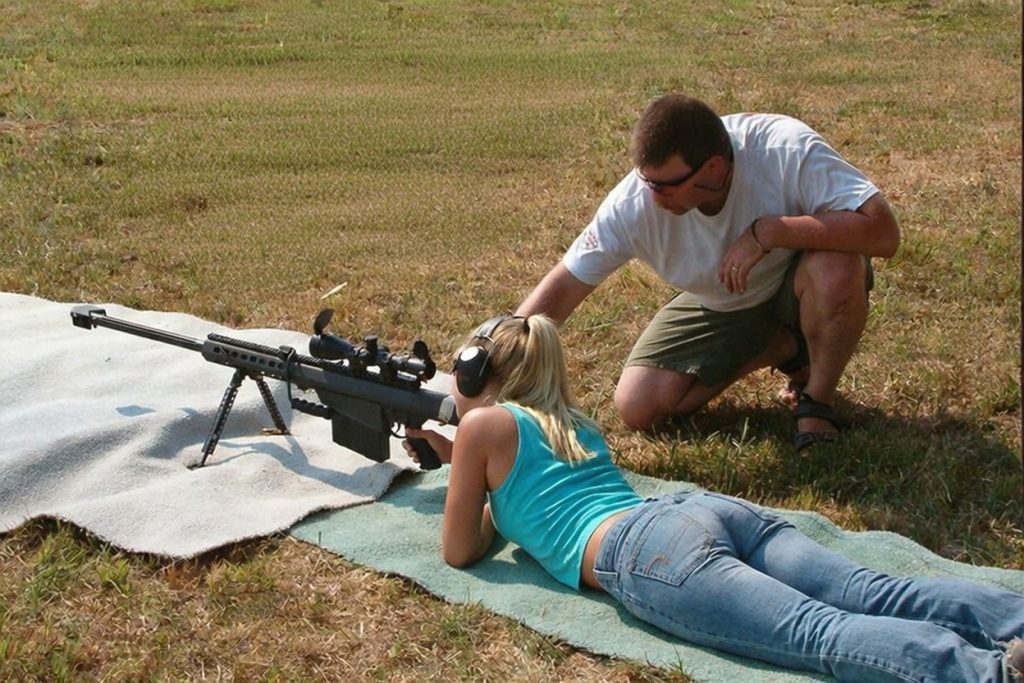
For the physical things, at least in high school, we had coaches; football, baseball, basketball, etc. The job of the coaches was to instruct us in the physical and well as to critique and fine tune our performance. High school coaches are likely 95% physical with perhaps 5% mental. Think about it, if you played a sport, did your coach sit you all down and lecture you on the history of that sport and then test you to ensure that you retained that knowledge? I would guess not. Coaches give examples of great players and use those examples to motivate their people.
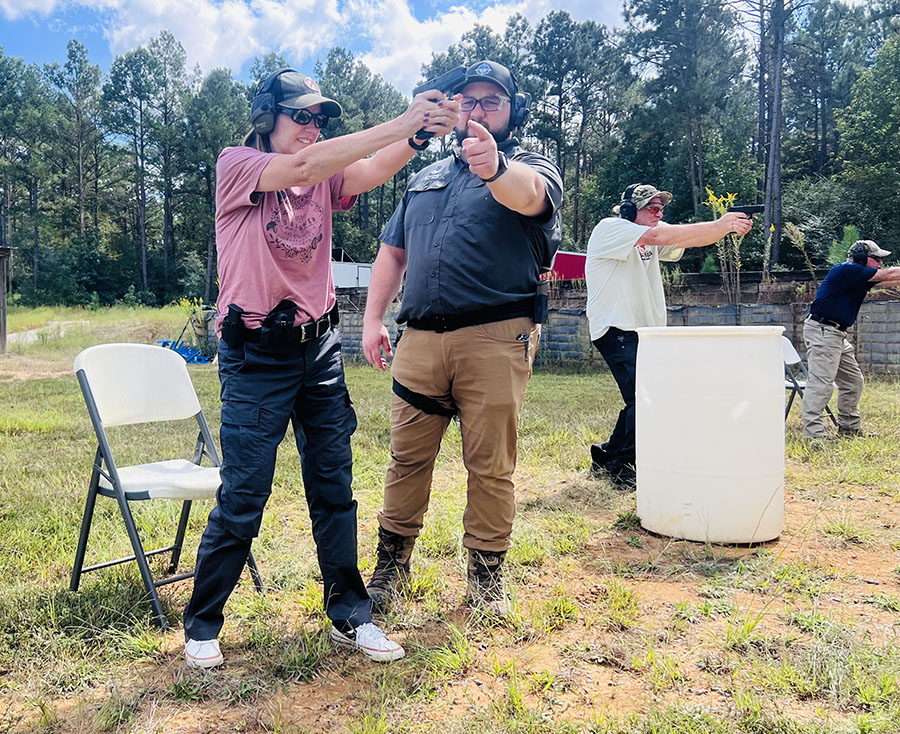
Why do we use the term “instructor” in the realm of firearms, particularly those used in self-defense? Personally, I have earned the title “Firearms Instructor” as well as “Marksmanship Coach”. The one I use and appreciate the most, however, is “Small Arms & Tactics Instructor” as that title says more about what is expected of me.
As to the use of the term “instructor” for the gun world, a good instructor must be able to both deliver information and knowledge as well as be able to teach physical skills. Instructors who teach the martial application of firearms must be able to lecture and deliver information on topics such as Justifiable Use of Force and Firearms Safety, as well as the fundamentals of marksmanship and the employment of tactics. A good instructor does not just show and tell you what to do, they also have to teach you when to do it and under what circumstances.
In the professional training world, instructors are often divided into two subsets; Platform Instructor and Range Instructor. For large organizations, such as the military and law enforcement academies, students may have one or more platform instructors and those people may not be the range instructors. For small schools and private training, that person is going to be the same for all the training.
An instructor is responsible for ensuring that all of the required information is delivered to the students and all of the physical requirements of the training program are met. An instructor/student relationship can be a personal one or it can be merely professional.
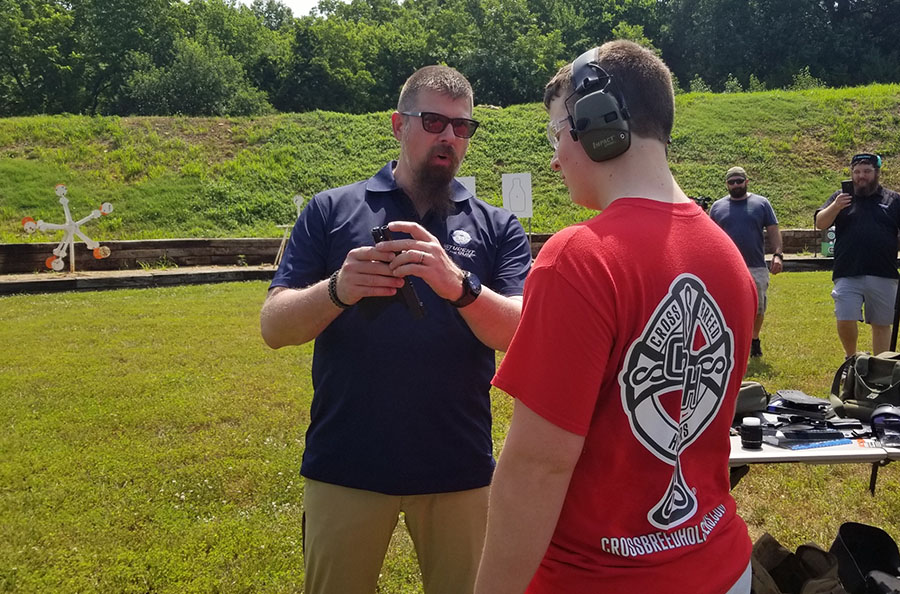
Consider for a moment the person that your company hired to come in and certify all the employees in CPR/Heimlich so their insurance premium could be lower. The person who ran you and your fellow co-workers through the CPR course was an instructor, but it was not likely that you developed a personal relationship with them. They tested you all and signed your certificates so you would be good for another year. It was very unlikely that the CPR instructor was going to give out their mobile phone number so you could call them later on to chat. That’s a professional relationship.
When I was working as a Small Arms & Tactics Instructor for the US military, our classes averaged 100 students. My job was to ensure that all of the required information was delivered and that all of the training standards were met. While I might interact with some students, I could not interact with all of them. That is where the coach comes in.
Coaches
With large classes, an instructor cannot watch every shooter and offer individual critiques. In small class environments, an instructor can also be a coach. When we use the term coach, we are talking about a much more personal and involved relationship.
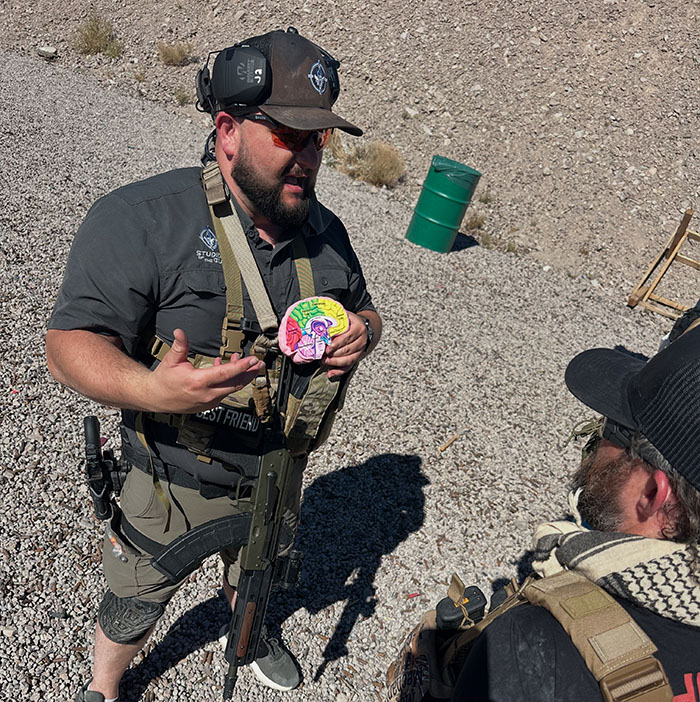
The first rule of a firearms coach is to watch the student, not the target. Yes, for long range shooting, there will be time for spotting, but when we are working with new shooters, coaches need to watch them, not the holes that appear in the paper or cardboard. Far too many supposed instructors will try to correct the student based upon what they see on the target paper. That is the opposite of correct.
The coach needs to foster a feeling in the student that they are there for them, not the entire class as a whole, but that student as an individual. The student should feel as though their coach actually cares about whether or not they succeed. If the student ever feels as though you do not care if they succeed or fail, as soon as the exercises become difficult they will give up.
A good coach is not just there to make corrections to the student’s form or technique, a good coach is there for moral support. When the student succeeds the coach congratulates them. “Good job.” or “I knew you could do it.” I used to tease my military students and say, “Good job. See what happens when you listen to your coach?”
If a coach is doing their job correctly, the student will want to apply themselves, fix their mistakes, and make their coach proud. When I was a Rifle & Pistol Marksmanship Coach in the Marine Corps, a student that earned an “Expert” badge would honor their coach by giving them one of their collar chevrons as a sign of appreciation and respect.
Mentors
This last category is both the most elusive and highly sought after, at least it should be sought after. A mentor in a subject matter expert that not only takes a personal interest in the student, but takes them under their wing to provide them with more insight and knowledge than the course curriculum mandates.
True mentorship cannot be purchased with a course fee nor can it be demanded. It is the mentor who decides whether or not the student has the potential for greatness and is worthy of extra time and personal attention. We see this relationship in professional athletes and olympians. A seasoned expert in the field will see in that person potential for greatness and offer their mentorship.
The mentor/mentee relationship is unique and special. You can hire a coach to help you improve your golf swing or your tennis game, but you cannot hire a mentor. Just as you cannot force love or respect, the personal time and advice given by a mentor cannot be forced but is given freely.
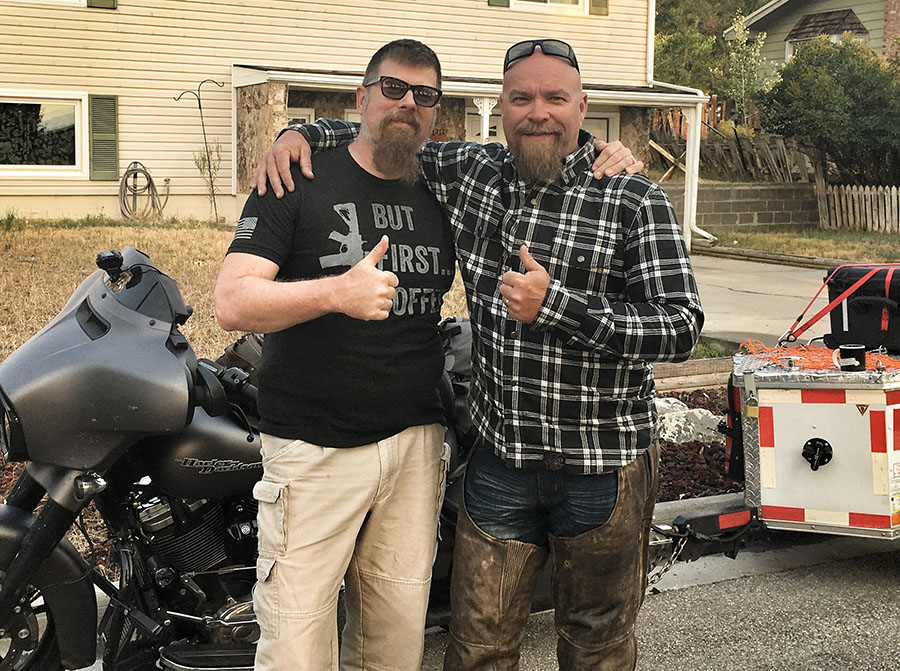
Every truly dedicated student should seek out a mentor. The price to earn mentorship is an obvious dedication to the subject, a willingness to learn and to accept correction without complaint. Also, a genuine enthusiasm and motivation to improve must be self-evident. No one is going to mentor a person who cannot accept criticism without complaining or acting butt-hurt or who is always looking for the easy way out. A good mentee or protege is not watching the clock waiting for the lesson to end, they are genuinely hungry for more.
I have been truly blessed in my lifetime to have been demeaned worthy of mentorship. Sadly, many of my mentors have finished their journeys here on earth. Of the many lessons given by the mentors in my life, one has remained constant. While the exchange between mentor and mentee is not monetary, there is a price. The price that a mentor demands is that when the time comes that the person to whom they freely gave their time and wisdom to must do the same for the next generation.
Paul G. Markel is a combat decorated United States Marine veteran. He is also the founder of Student the Gun University and has been teaching Small Arms & Tactics to military personnel, police officers, and citizens for over three decades.
all the people in the pics have beards?
Of all the twelve men in the pics, four don’t have beards. Fuzzy math, I know, but 67% isn’t quite “all” of them.
Especially the cute young lady lying prone and ready to fire off the .50 BMG. Unless she’s under 18, in which case I don’t know what you’re talking about…
More 50 cal. stories.