

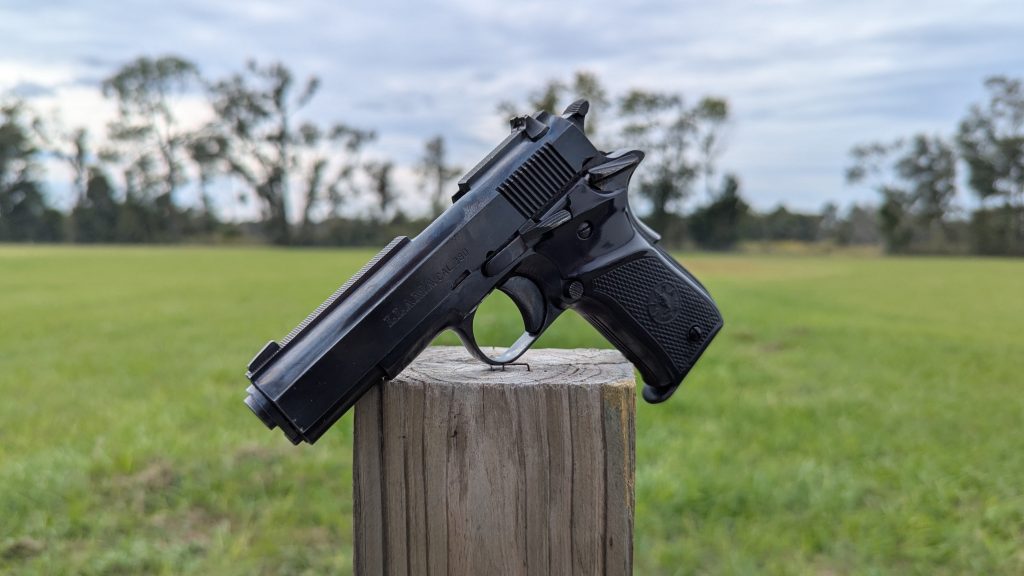
My name is Travis and I have a thing for Spanish pistols. They don’t particularly excel at anything from a performance aspect, but the creativity of their designs impresses me. They take known designs and put their own twist on them. For example, the Llama III-A .380 I have in hand is essentially a 1911, just reduced in size and caliber to accommodate the .380 ACP cartridge.
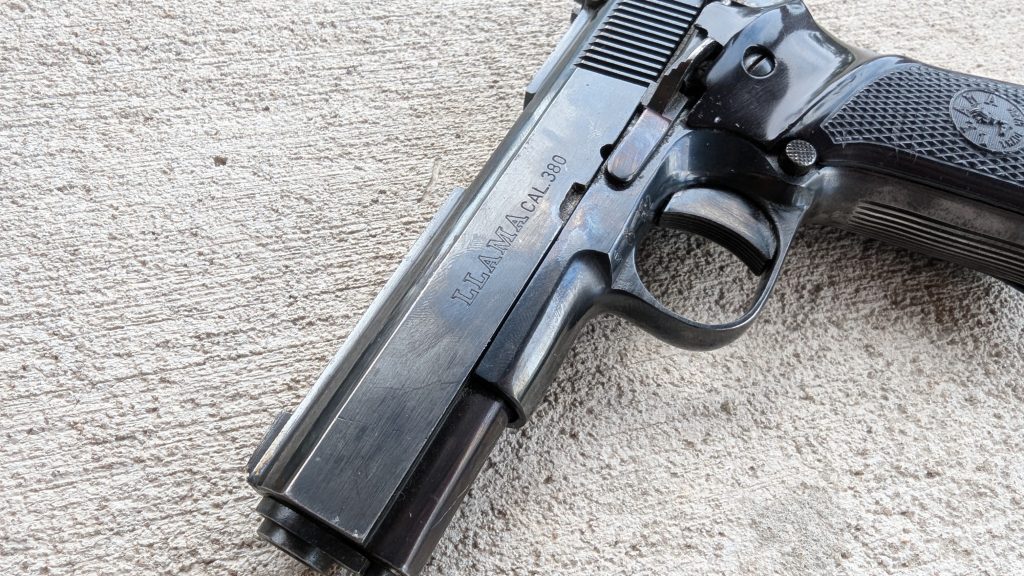
What’s interesting is they weren’t trying to make a 1911-like pocket pistol like the SIG P238, but rather a 1911 that was proportional to the .380 ACP round. What they ended up with is a pistol that’s roughly the same size as the Colt Pocket Hammerless.
Llama made a ton of these with varying names. There’s the Mini Max, the Micromax, the Especial, and more. They are all fairly similar with small changes in finish and design. Some models lack a grip safety, while others feature a vent rib or target grips. It looks like the last go around was the Llama Micromax .380, which was made in the Philippines and just borrowed the Llama name.
The Llama Name
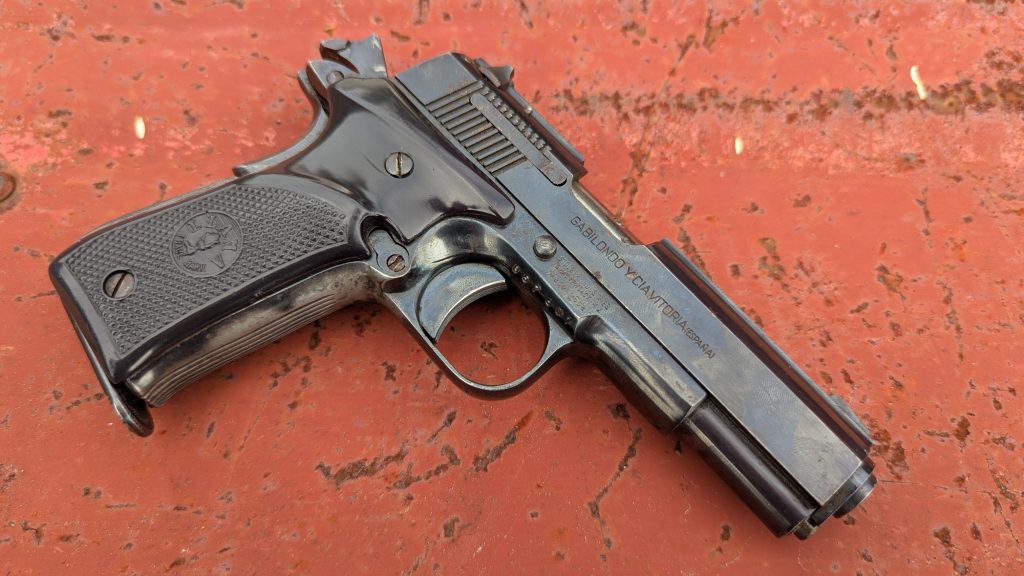
Speaking of, if you want a history lesson, the Llama brand came to be in 1932. However, the company dates back to 1904, when it was known as Gabilondo and Urresti. Gabilondo and Urresti produced several Velo-dog pocket revolvers, Nagant revolver clones sans gas seal, and Colt New Service clones.
In 1914, they copied the Colt Pocket Automatic, and it became the famed Ruby pistols in .32 ACP. These were a bit crude in design but held nine rounds, an impressive capacity for the era. It was a case of right place, right time. In 1915, the French were going to war, and they needed handguns, lots of them.
Gabilondo and Urresti got a contract for the Ruby pistol, but it was overwhelming, and they had four subcontractors. The French need for pistols outgrew the four contractors, and dozens of companies appeared and began producing Ruby pistols for the French.
Fast forward to 1932, and Gabilondo and Urresti wanted to get away from the Ruby pistol brand. The varying subcontractors and French direct contractors had produced a ton of poor quality pistols, and they were all called Ruby pistols in the eyes of the gun-owning public. That’s when Llama became the new brand.
Llama took Colt’s other gun, the M1911, and ran with it. They produced M1911s in varying calibers and configurations. This includes the Llama I and Llama II. The Llama I is a .32 ACP variant without a grip safety, and the Llama II in .380 ACP. This started the micro 1911 market for Llama, which was fairly untapped at the time.
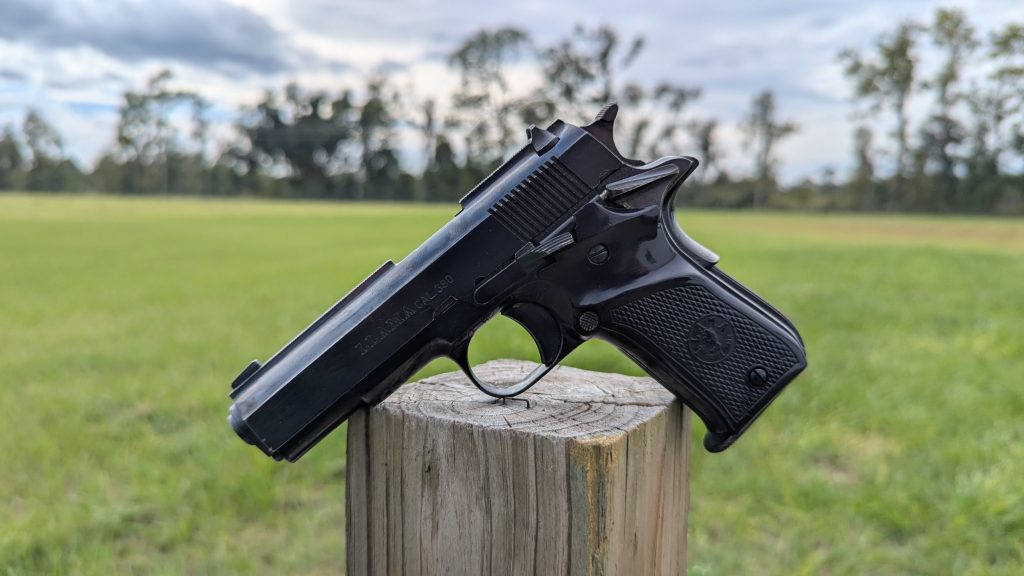
They introduced the locked breech Llama III in .380 ACP and then decided, hey, that’s too expensive to produce. Fast forward to 1954, and the Llama III-A was born.
Enter the Llama III-A
The Llama III-A is a direct blowback mini 1911 that came in either 9mm or .380 ACP. The original Mini Llamas were blowback-operated guns that lacked the grip safety. The III-A would be a blowback-operated design that reintegrated the grip safety.
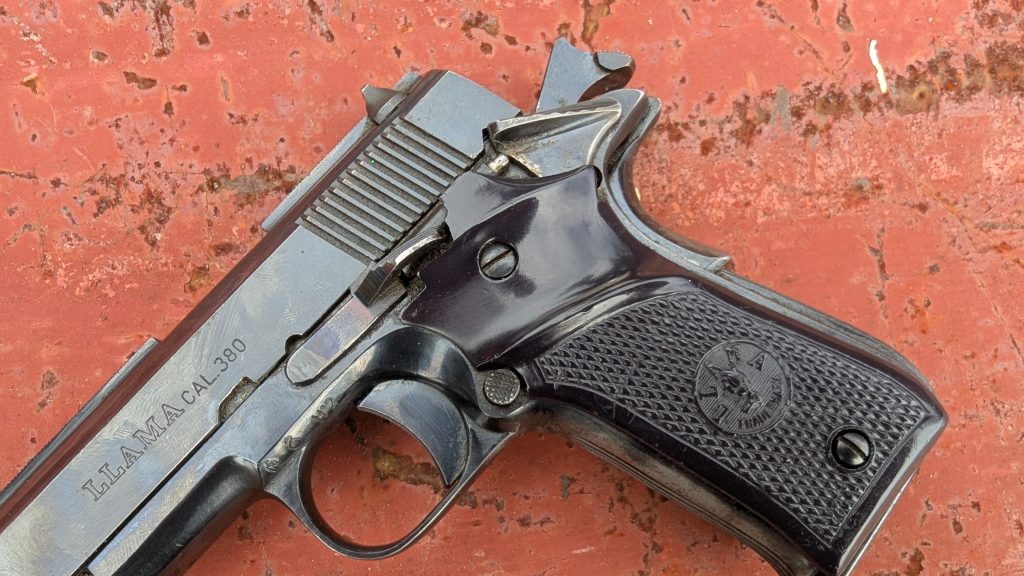
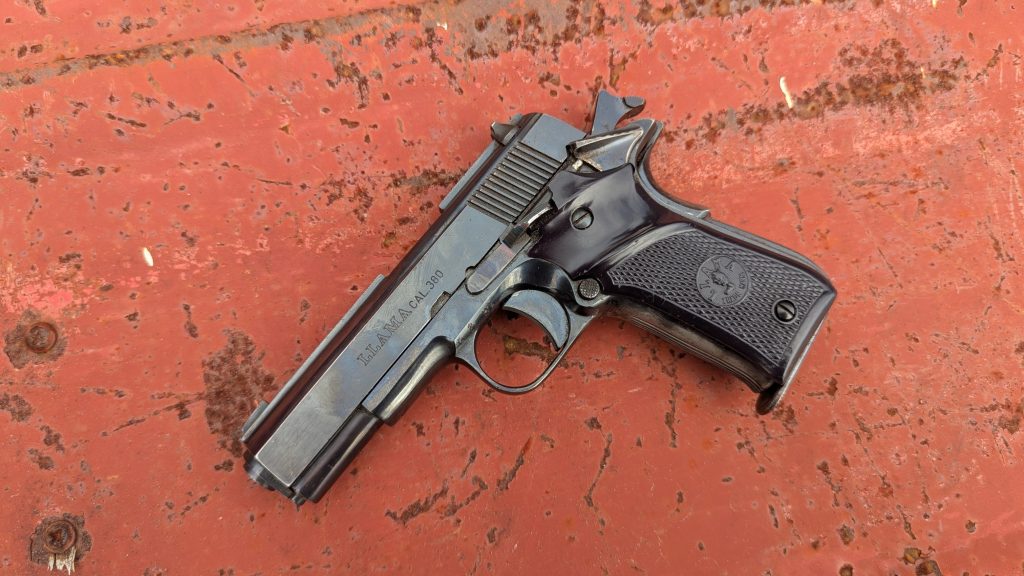
The Llama III-A came in a few different configurations. The originals had a lanyard loop and plastic grips. Later models ditched the loop and added target grips and ventilated ribs. Mine seems to be somewhere in between with target grips, but no ventilated rib, sadly. This particular model was a Stoeger import before Stoeger became a Beretta company.
This was one of Llama’s most successful firearms and they produced a ton of them. You might find gold or chrome-plated or engraved models, wood grips, and more. It’s likely impossible to list every configuration out there.
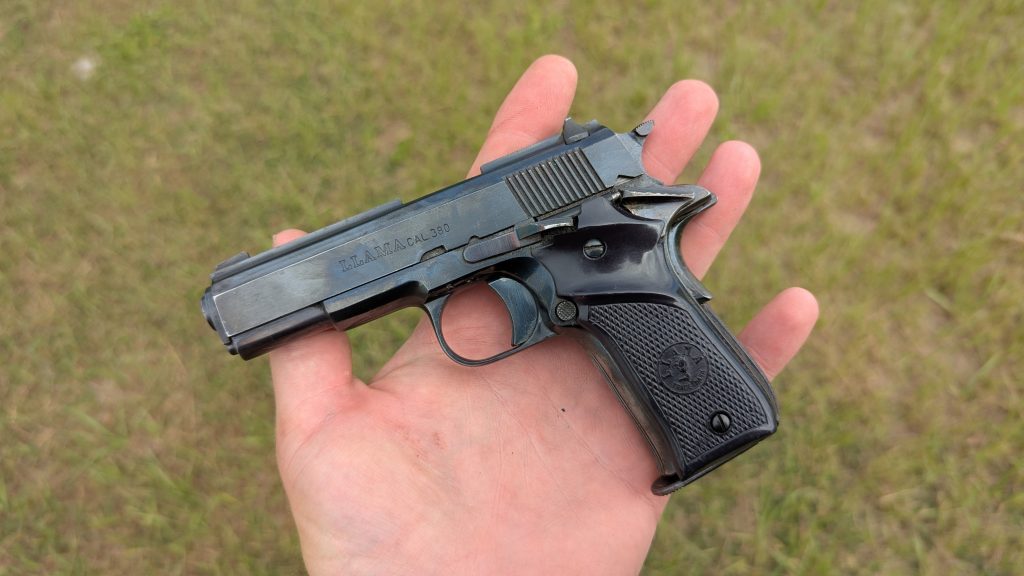
The gun holds seven rounds of .380 ACP in a single-stack magazine. The safety is fairly large, larger than a standard M1911. The grips are just long enough to fill the hand, and they’re brilliant. It’s super comfortable and fits just perfectly.
While I wish it were a .32 ACP, this is one of the few .380s I find myself liking. Well, mostly.
Shooting It
The M1911 has always been an standard of ergonomic excellence. The Llama just shrinks that to a more concealable size. It does a fantastic job of matching the M1911’s ergos in a smaller form factor. It feels great in the hand, with the slide moving easily, and the magazine release and safety in just the right places. It just feels fantastic.
And then you shoot it.
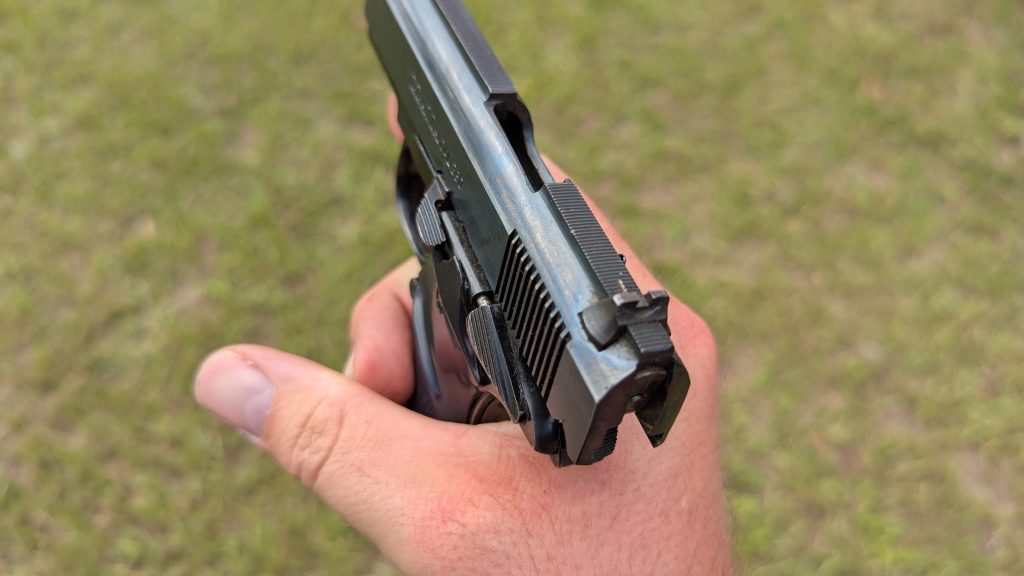
This might be one of the most unpleasant guns I’ve ever shot. I hate small, blowback-operated .380s. They’re not user-friendly and much like the PPK, the Llama should be a .32 ACP, not a .380 ACP. Recoil is stiff and unpleasant. The little beavertail at the back is thin and digs into your hand, while at the same time not being long enough to protect your hand from hammer bite.
That hammer bite drew blood in just one magazine. It’s a real smack to the hand and on the first shot, I knew I wasn’t going to shoot this gun a lot. The Llama III-A is downright unpleasant to shoot.
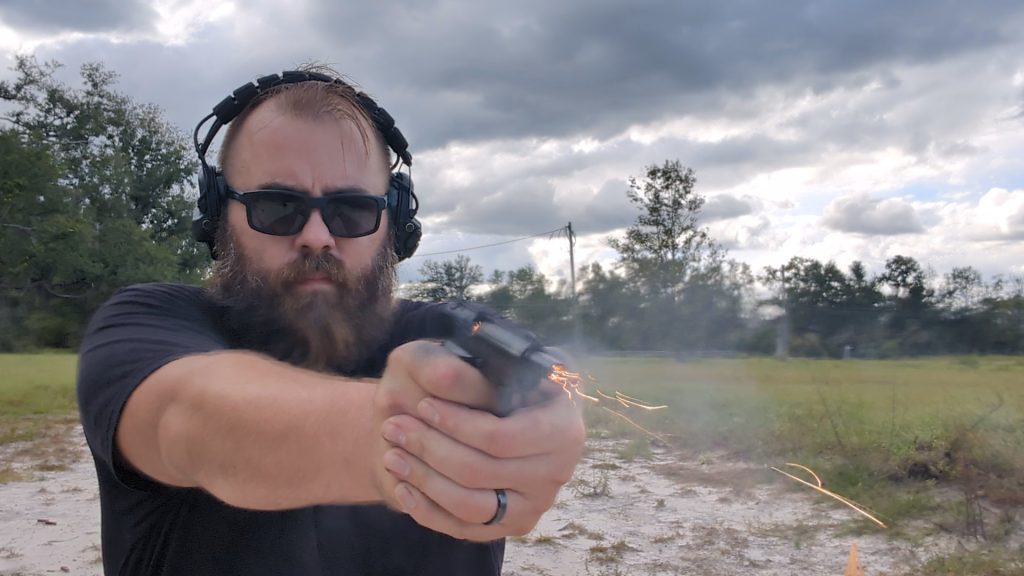
Since we’re talking negatives, let’s also mention it’s not all that reliable. Every time I got to the fourth round, it would fail to feed. The rounds before the fourth and after the fourth were fine, but midway through every other magazine, the gun needed a break.
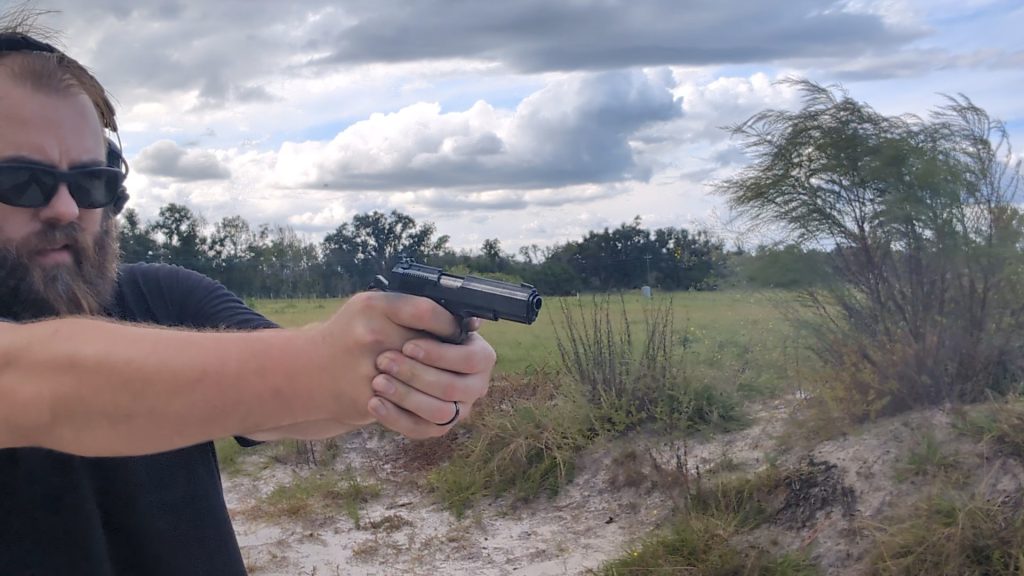
The small sights aren’t the best for precision shooting, but they aren’t so small that they’re difficult to aim. The trigger is crisp and light, and the gun’s capable of decent accuracy. It prints hand-sized groups at 15 yards and still rings steel at 25 yards. It’s not as accurate as something more modern, but it does the job well enough.
Petting a Llama
The ergonomics are the high point here. It’s just right, like a good bowl of porridge. The controls are large and easy to access, and the gun would be easy to conceal. I could even deal with the recoil and hammer bite if I had to, but the reliability — or lack thereof — just kills the gun for me. I’m searching for a new magazine to see if that’s the issue.
For me, the Llama is a collector’s piece. As the owner and purveyor of Spanish handguns, it’s just one more that I’m tossing in the box. I really want to find one chambered in the Lord’s Caliber, .32 ACP, but for now, the .380 version will fill that spot.
It would be interesting to know if the fail to feed issue was simply a magazine issue.
Keep your eyes out for a Colt Government .380 if you want another mini-1911 about this size. It’s a Mustang Plus II with a slightly longer slide and uses a Browning-style locked breech instead of direct blowback. The sights are tiny but otherwise it’s very pleasant to shoot. They’re a rare find and go for good money but they’re nice.
Hi Travis.
Hi I have a Llama .380 IIIA exactly like this. I really like it, but can see why you don’t. You have giant hands! I’m a woman, small hards. It’s perfectI find it accurate, a little hard to chamber. Very ez to break down, exactly like Colt .45 1911.. I did have the slide nip my hand, once .
I tried to grab it but got bonbon all over it.