

Most of us glaze over when the subject is commodity pricing. We don’t know much about pork bellies, cattle futures, or Brent crude, but that doesn’t mean those things aren’t important. They’re futures…by definition things that aren’t in the immediate.
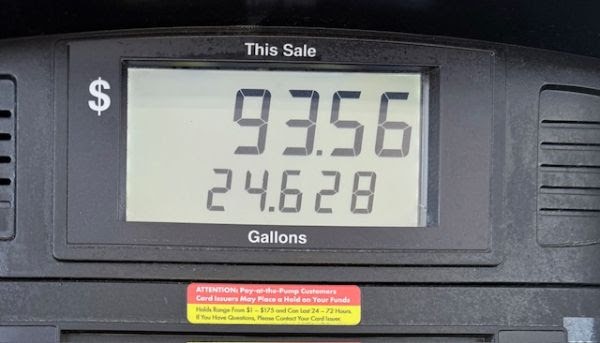
Oil, however, has moved from the future to the immediate. Most of us have already read about $8.71/gallon gas price at one notorious station in California, but “that’s California,” right? Nope. Nationwide gas prices are rising faster than weeds in a spring lawn.
Those rising oil prices impact everyone. Some feel it faster and harder than others, but we’re all going to feel the squeeze, barring some sudden and unexpected resolution to the Iran situation. President Trump’s expletive-laden Easter rant isn’t likely to convince Iran to suddenly allow tankers to peacefully transit the Gulf of Hormuz.
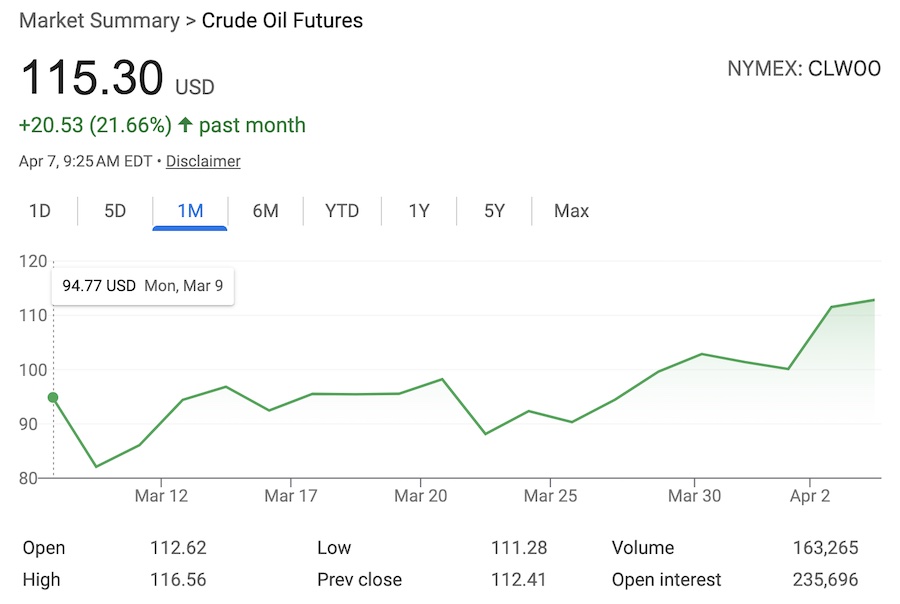
Stock prices have already moved into “correction” territory. That value drop impacts corporate lending and operating costs. Their value is dropping as costs are going up, meaning borrowing costs more. Increased costs means higher prices.
Prices are rising for all of us. The higher costs of transportation make it inevitable. This past weekend, I watched a trucker hit four figures fueling his big rig. His last fill-up, he told me, was “only” $874. He’s no longer taking short haul deliveries or accepting LTL loads unless he has enough LTLs to fill a trailer.
“No way am I going to put miles on my rig,” he explained, “if the load won’t cover fuel and operating costs.” Dead-heading — driving a commercial truck with no cargo — is becoming prohibitively expensive for independent haulers. Consequently, some independents are simply parking their rigs until a load comes available.
That impacts transport vehicle availability, and the circle of impact widens. Oil prices don’t just impact the gas pump or delivery costs. From seed and fertilizers for crops to the bags grocers put them in, oil impacts pricing on everything.
If you travel by air, your next ticket will likely include a fuel surcharge. Barring a radical change, overall ticket prices will rise as well.
With the possible exception of California gas stations, it’s not price gouging. It’s economic reality. No business exists to lose money. The corner coffee shop is no different than a Fortune 500 biggie. Prices have to reflect costs plus profit. Coffee prices have already skyrocketed.
The outdoor industry was already feeling the pressure. Ultimately, it’s an industry based on disposable income. But in many instances, disposable income is a misnomer. “Disposable income” actually means available and affordable credit. When the cost of essential goods rises, both the ability to buy and borrow are negatively impacted.
The economic squeeze has been obvious for some time in a pair of big ticket items: boats and recreational vehicles. The National Marine Manufacturers Association had projected overall 2026 boat sales similar to 2025 (2025 was down 8 to 10% over 2024), but that’s not the whole story. New boat sales have been slow for quite some time. In 2025, pre-owned boats represented 80% of the year’s total sales. New boat sales were stagnant at best.
This year, there’s an increasing trend toward alternatives to outright boat ownership. Boat clubs and shared-access models are growing in popularity. Their higher usage costs are compounded by the cumulative ownership costs for purchase, storage, maintenance and insurance, especially in larger models.
This year, buyers are leaning toward smaller, trailerable boats and personal watercraft. Not only are they less expensive to acquire, they’re more affordable to operate and store.
In the RV segment, January’s cautious optimism isn’t totally gone, but it’s being tempered by consumer concerns over higher borrowing rates and rising economic pressures. That’s not doing much for 2026 models, but is apparently helping dealers move older, aging inventory off their lots. Overall, 2026 is looking like another buyer’s market for both the boat and RV industries. But those prospective buyers may consider 2026 a good year to hold off on purchases. Especially any that mean taking on additional debt.
For accessories manufacturers, that’s not all bad news. Concerned current owners may look at upgrading or refreshing their current boat or RV rather than upgrading to newer models. That could indicate additional business for refurbishment and repair shops.
But their costs are rising too. The net/net of it all is this: it costs everyone more to live today compared to just a few months ago. Whether costs ease or rise remains to be seen.
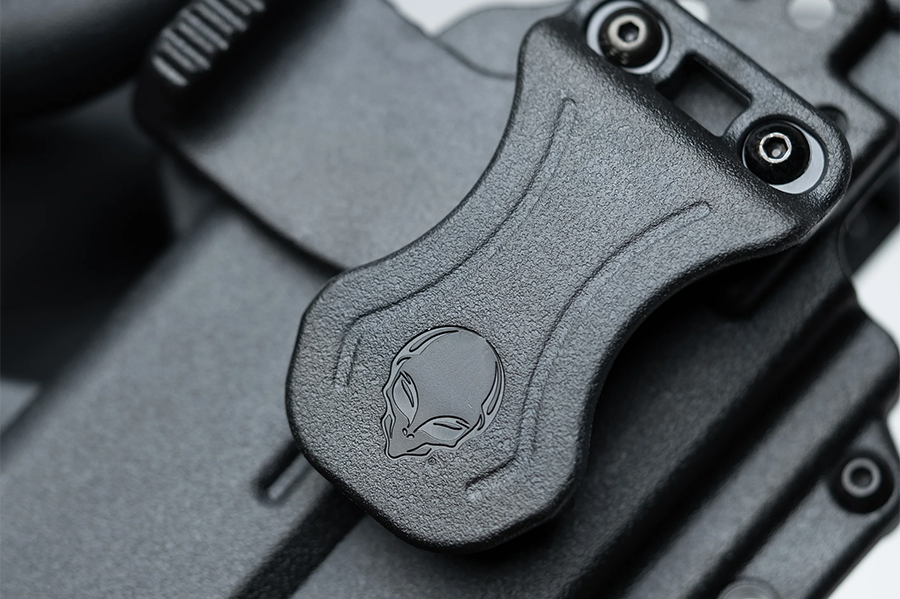
For some companies, the costs have already become too great. Tedder Industries, parent company of Alien Gear, failed last year, filing for Chapter 11 in December. That, however, has presented an opportunity.
Barring something untoward, Alien Gear will become a part of Cadre Holdings (NYSE: CDRE) sometime later this quarter. Cadre is the owner of holster and accessory maker Safariland. Last month, a bankruptcy court accepted Cadre’s $10.3 million bankruptcy auction bid.
The addition of Alien Gear will give Cadre another well known brand with popular products in the consumer, law enforcement, military and security products categories.