

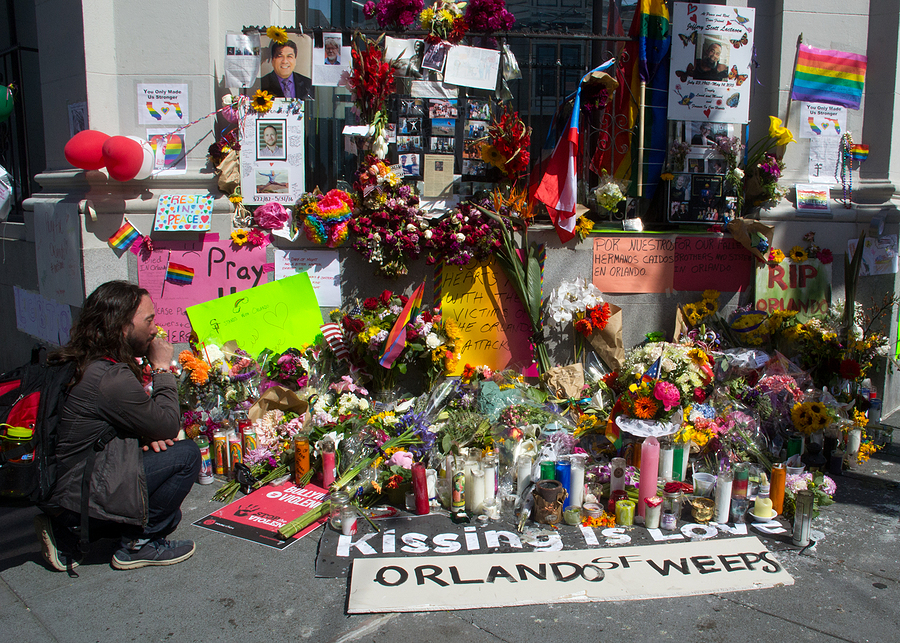
In 1999, two young men entered Columbine High School in Colorado, gunned down 12 students and a teacher, then took their own lives. Grief therapists arrived “long before the gun smoke wafted away,” wrote Washington Post columnist Jonathan Yardley. The “self-appointed priests and priestesses of this New Age of self-awareness, unctuous parasites bearing portable confessionals who swoop down wherever catastrophe strikes, chanting mantras of pop psychology . . . [attach] themselves to the stunned, bewildered survivors of affliction, demanding that they give vent to their ‘feelings.’”
Yardley’s dismissal sounds jarring today. In the aftermath of a school shooting, the therapeutic response is no longer controversial; it’s so ubiquitous that it goes unquestioned.
Consider last month’s shooting at Brown University, which left two students dead. Within hours, school communications followed the now-standard playbook. Officials emphasized the “profound anxiety and fear” felt by whole communities, offered proactive emotional support to “those most affected,” and promoted counseling services for all. The school cancelled finals and assured students it was “normal to experience a wide range of emotions, including shock, fear, sadness, anger, numbness, or confusion. There was “no ‘right’ way to respond,” except to take care of oneself.
While offered with compassion, these services and scripts are an exercise in bureaucratized empathy. They can, and often do, undermine resilience in those whom they are meant to help, while providing cover for institutional failings.
— Carolyn D. Gorman in The Problem with Our Response to Mass Shootings
The problem is far too many people have adopted a utopian view of the world. Many are uncomfortable using righteous violence to stop evil.
They refuse to lock up or prosecute people that they know are dangerous to others. They don’t want the government to use righteous violence and they don’t want you to use righteous violence either.
They believe it is wrong to have people in jail. Especially if the number in jail exceeds a number that they are uncomfortable with.
And finally , these utopians don’t live in some of the most dangerous cities or dangerous neighborhoods in the United States.
They are “ch@mp@gne libertarians” and “ch@mp@gne s0.ci@,li”st p;r0gr,es;sives”