

Anti-hunting lawfare operations pretending to be “conservation” groups looking to gain support and donations are at it again. With a playbook that ignores conservation realities and highlights cherry-picked science, they are attempting to rewrite the law from the bench, harvesting support for their efforts with crafty online petitions, hunting license raffle takeovers and slick media campaigns.
But their efforts aren’t limited to the hunt. The Nonhuman Rights Project is yet again resorting to legal shenanigans to label pachyderms as people in Pennsylvania.
Habeas Elephanti
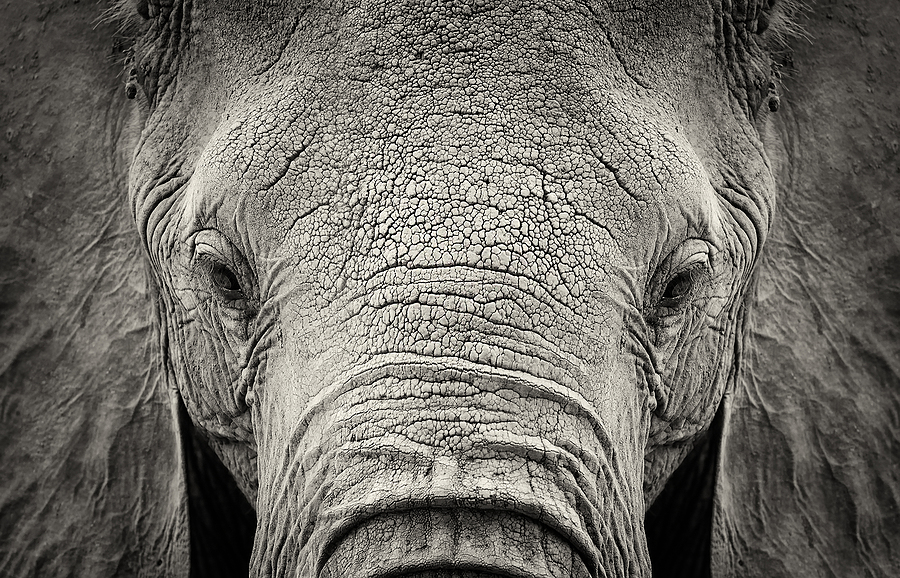
Last week, NhRP filed another habeas corpus petition to “free” five elephants from the Pittsburg Zoo by declaring them legal “persons” with the right to bodily liberty. Sound radical? It is, especially for NhRP’s first case in Pennsylvania, a state with a deep tradition of practical wildlife management grounded in evidence-based science.
As a reminder, NhRP’s argument has already been rejected by U.S. courts.
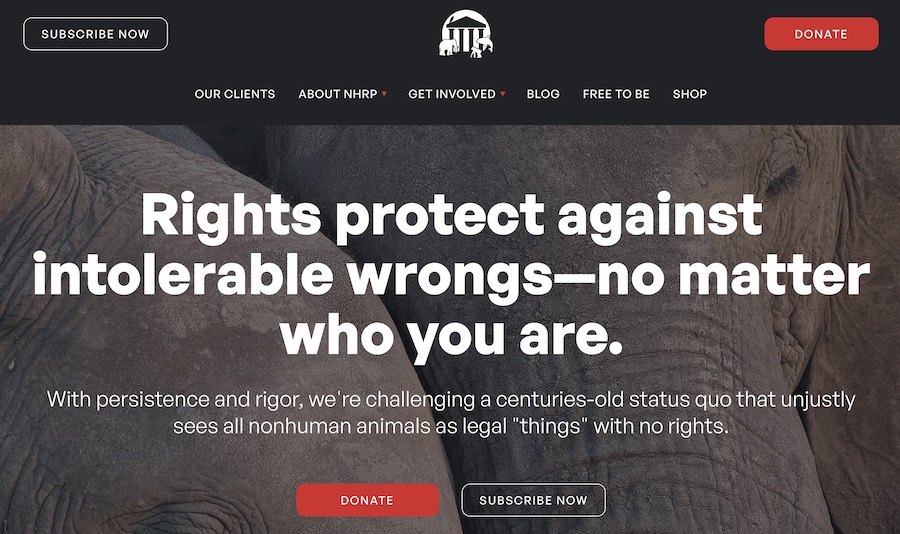
Let’s be clear on the strategy here. Habeas corpus is a centuries-old legal tool crafted to prevent the government from unlawfully detaining human beings. Now, NhRP expects courts to extend that protection to animals, which would upend how wildlife, agriculture, zoos, veterinary care and even pet ownerships are managed.
That’s not hyperbole. A similar NhRP challenge centered on chimpanzees at the DeYoung Family Zoo was heard by the Michigan Appellate Court in October. That court held that chimpanzees are not “persons” eligible for habeas relief.
Courts in other states have already considered this issue and refused it soundly. In 2022, New York’s highest court rejected an NhRP petition for a Bronx Zoo elephant named Happy. And in January 2025, the Colorado Supreme Court unanimously held that elephants are not “persons” under the habeas statute and the group cannot sue to force the elephants to be removed from the zoo. Judges there also noted that any sweeping change like this rests with legislators, not the judiciary.
Stunts like this aren’t wildlife conservation; They are courtroom antics that boost fundraising efforts for anti-science, anti-hunting groups as they sidestep biology, management realities and public accountability.
Fiction Can Be Fun
The animal rights utopian pitch sounds compassionate. After all, who doesn’t like elephants? But it’s a far cry from true conservation. Successful wildlife conservation is built on habitat, funding, science-driven management. That’s why modern conservation, heavily supported by the firearm industry through excise taxes and by hunters’ license fees, repopulated the wild game species all enjoy. Those efforts benefit non-game species as well.
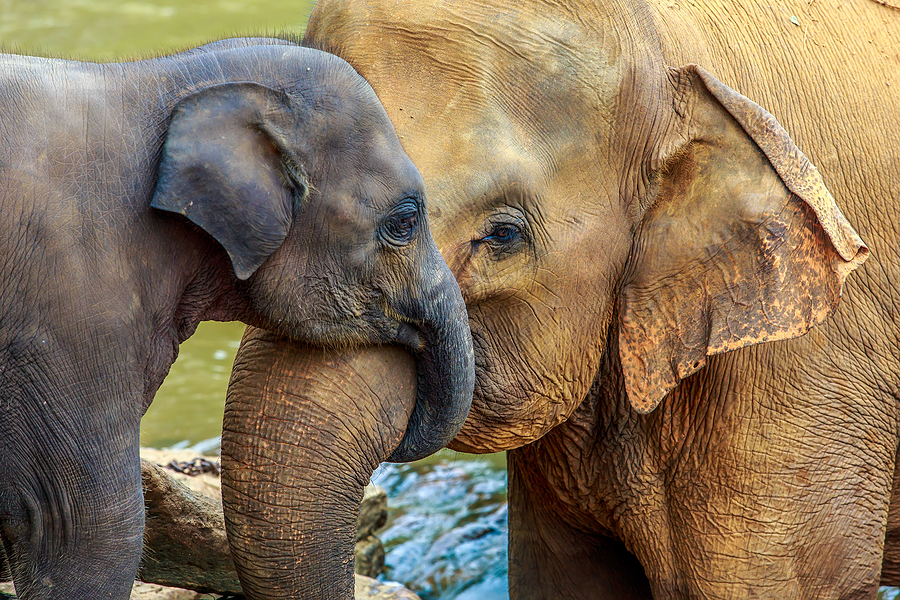
NhRP frames their case around cognition studies and captivity critiques. But that’s advocacy, not balanced policymaking — and it intentionally evades the practical repercussions of recategorizing animals as legal persons. If “personhood” can be litigated for elephants, what about primates, cetaceans or a household pet? The next target for this anti-hunting group could be deer farms, pheasant preserves, pig farms or cattle ranches.
Applied outside the courtroom, this case unravels into sheer absurdity.
The Messengers Behind the Message
Advocacy groups advancing these ridiculous claims often brand themselves as “conservationists” to sell their utopian dreams to unwitting supporters and drum up financial support. But to learn more about the mindset behind the madness, just follow the networks behind such lawsuits and familiar names with questionable track records come to the surface.
Wayne Pacelle — longtime figurehead in national animal rights politics — resigned from the Humane Society of the United States (now Humane World for Animals) in 2018 amid substantiated workplace harassment complaints, an episode that triggered multiple board resignations. Pacelle is now the founder and president of Animal Wellness Action where he has led efforts to pass 1,500 state laws for animals, 30 ballot initiatives and 500 corporate agreements.
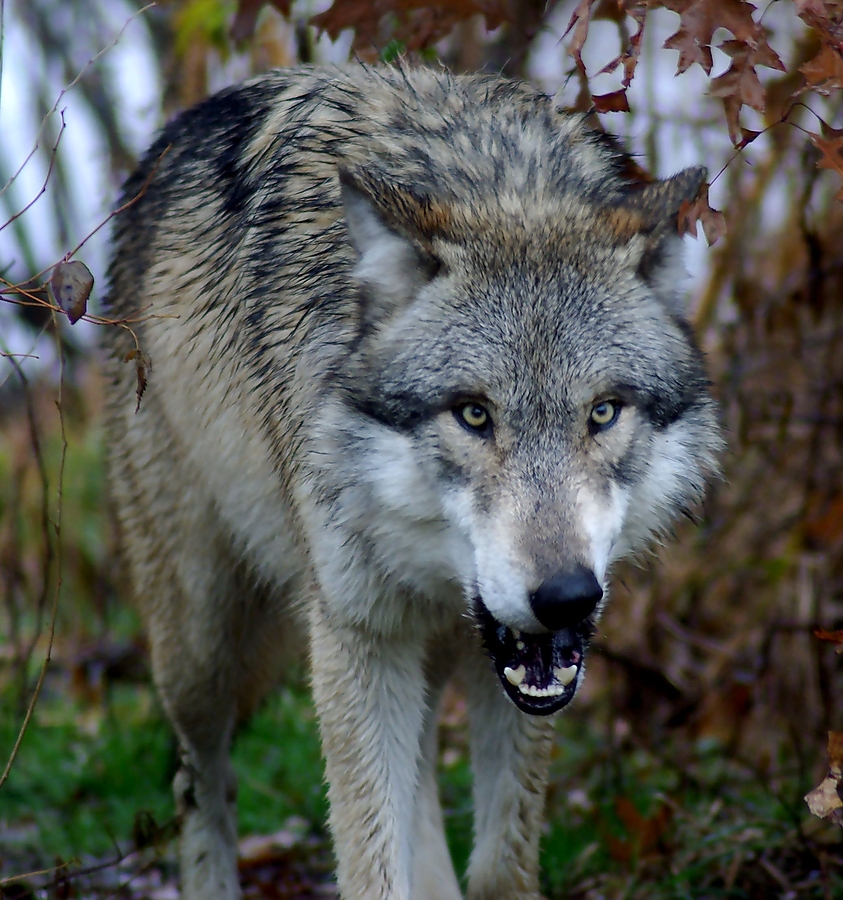
He is also the president of something called the Center for a Humane Economy, which campaigns to end wolf hunting and trapping, fights for cage-free animal agriculture and pressures the National School Lunch Program to allow plant-based milk in cafeterias. These efforts are directly antagonistic to responsible, science-based wildlife management and conservation efforts.
Measure Results, Not Vibes
Hunters and genuine conservationists — yes, including many zoo professionals — measure success in population stability, animal health, human-wildlife coexistence and transparent use of public resources. They don’t pretend that a hashtag or a writ of habeas corpus can conjure a world without risk, cost, or responsibility. That utopian mindset feels good online, but collapses in the field, the barn and the balance sheet.
The NhRP petition is part of a broader effort to bypass that accountability. America does conservation best when wildlife management decisions are driven by evidence based scientific data, respect expertise and measure results — not vibes. Hunters, wildlife agencies, veterinarians and zoo professionals share a common goal: healthy animals and habitats. The NhRP lawsuit isn’t a step toward that goal; it’s a detour into ideology.
Conservation functions in the real world, not a thought experiment in a utopian dream. If special-interest advocacy groups can “petition” for animal release, managers will spend scarce conservation dollars litigating instead of caring for animals and habitats.
That may be a win for fundraising emails, but it’s not for wildlife.
So if hunting animals is the same as hunting humans……..
If you have ever watched an adult dog pick up a kitten by the neck to take it off the street, or an orphaned baby squirrel snuggling up to a Momma cat who has adopted her, you know animals have strong emotions and that they will care for one another. But to confuse that with being human is overly dramatic. We all love our pets and we all want to see zoo animals well-cared for. But that does not mean we should issue them a driver’s license or give them a watch for Christmas.