
I take inspiration from many places. Whether it’s books or articles I read, posts I see on Instagram, or videos on YouTube. This article, or series inspiration, comes from one of my favorite gun channels, the 1911 Syndicate.
In a recent video, Jake and Eli discuss the concept of gun collecting and what’s wrong with the modern approach to it. Honestly, I fall into the trap of what they discuss. Many of the guns I own are tools. They’re picked and set up for a specific task. Since 2020, world events have shaped my gun purchasing habits.
But is having multiple guns for the same task necessary? Do I get joy out of them? No, not really. And honestly, I think that pleasure is diminishing. There’s the initial purchase and setup. But then they sit and I move on to the next thing.
You know what does bring me joy? A Savage MK II that I bought at an estate sale. I know what you’re thinking. A Savage 22?
Hear me out. In the early 2000s, Savage had the American series of rifles. It’s essentially a fancy trim package with nice wood, upgraded stock embellishments, and a deep blued finish. To my best guess, that’s what this Savage MKII is. Cool, right?
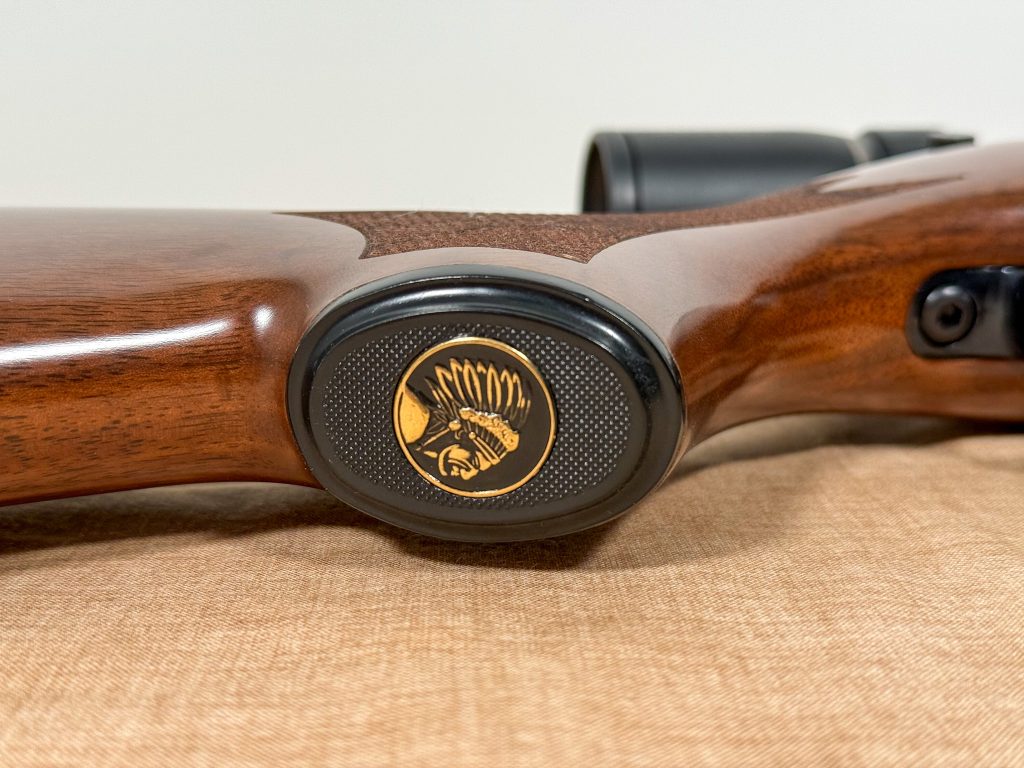
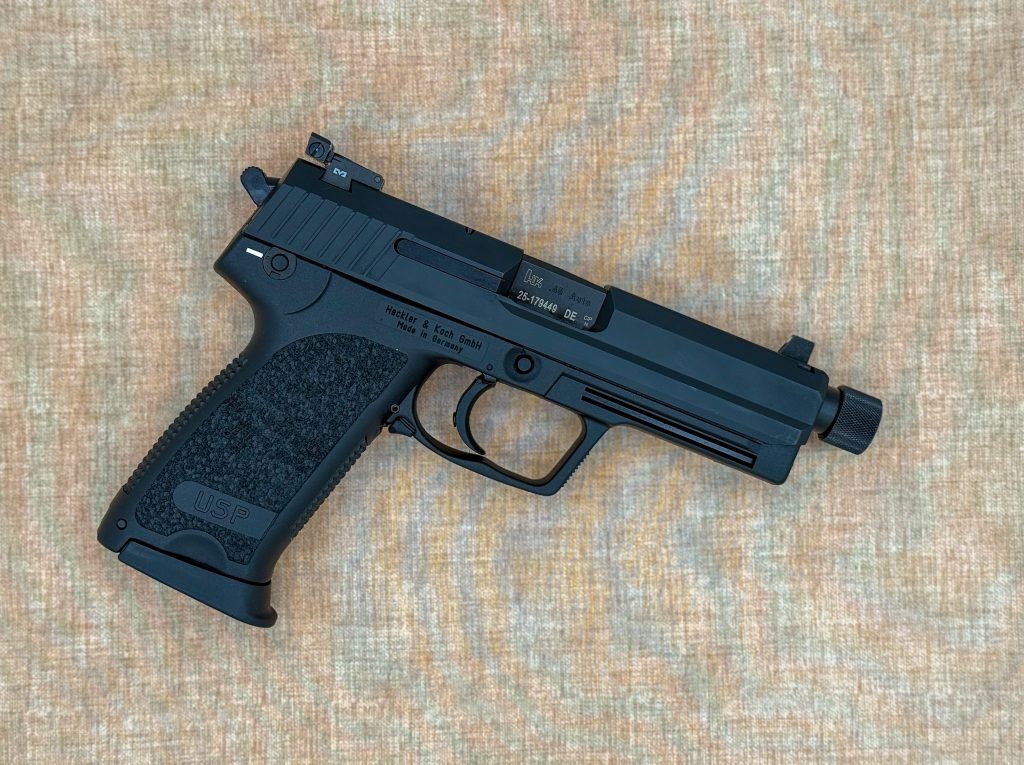
But it’s guns like that Savage MK II that I come back to. The ones with a story, a pop culture identity, or guns with historical prominence. Do I own the HK USP 45 Tactical for any particular task? No. But every time I shoot it or look at it, I smile.
Guns are allowed to be more than tools. They can be works of art, pieces of history, or cultural icons. They can be cool. They can bring joy. It’s that realization that’s changing my views and opinions of gun collecting. Yes, you need tools for certain tasks. But in an SHTF scenario, how many duty rifles are you going to carry with you? How many GLOCKs will be on your battle belt? So that’s why I want to bring you on this journey.
I’ll be writing a series here that will focus on builds, while others will feature discussions on cool guns and gun collecting adventures. For example, on a recent expedition, my friend Ryan and I ended up in a small town pawn shop. Among all things they had was an LMT MARS-H ambi lower, which was pretty cool. Ryan bought it and is now knee-deep in research. I, on the other hand, found a mint TaylorMade 3-wood. So, while he’s agonizing over the cost of a build, I’ll be striping tee shots down the fairway.
With that, I welcome you to what I’m dubbing the Gun Bench (I couldn’t think of anything catchier; I’ll try to do better). Today’s episode will look at collecting with a focus on military surplus because history is cool.
Collecting: It’s Part of Being a Gun Geek
Firearms and history are inextricably linked. The collecting of historic military arms brings intrinsic history to life. It is something you can feel and touch. The physical item connects you to the past, helping you appreciate where we’ve come from and how we’ve arrived here.
People collect military arms—or military surplus (milsurp)—for more than just their history. They’ve been utilized as hunting arms to put meat on the table, to educate hunters and teach firearms safety, and as general defensive arms. Thankfully, the firearms market isn’t as dependent as it once was on this class of weapons for viability, and we have a much better selection to choose from. But military arms still hold their place among nerds like me.
Current Events
Unfortunately, the world is awash in conflict and strife. That makes it challenging to source previously standard (and inexpensive) milsurp rifles. The invasion of Ukraine forced the United States to sanction Russia, including its trade with the former communist nation. This includes the trade of firearms and ammunition. Some of the most popular and recognizable surplus weapons come from the land of the Czars. This includes Mosin-Nagant rifles and revolvers, Tokarev pistols, SKS rifles, ammunition, and more.
A decade or so ago, a basic 91/30 Mosin cost around $100. Now those same rifles are going for three or four times that (sometimes even more for early war hex receiver models). That’s created a trickle-down effect. Everything else has increased in price and become challenging to find. Even Serbia has temporarily halted firearm and ammo exports for fear they could be pulled into the Russian-Ukrainian conflict.
Fortunately, the Civilian Marksmanship Program remains very much in existence, offering U.S. citizens the opportunity to acquire retired American service rifles and pistols. Unfortunately, their stores in Port Clinton, Ohio, and Anniston, Alabama, aren’t easy for many people to travel to, thus cutting off a large portion of the population. Not to mention, the CMP has unique requirements for purchasing firearms (for info on this subject, check out the CMP website here).
Where to Find Them
There’s always a bit of luck involved in collecting, but the most straightforward and accessible option is to peruse local gun stores and scour their used sections. Pawn shops can be worth a stop, too. This is a war of attrition that will take time. The benefit here is that you can physically see and touch the firearm before making a purchase. Otherwise, gun shows can be viable options. In my experience, though, prices can be extremely high at gun shows, but if you are willing to offer up the coinage, that can be successful.
Additionally, a willingness to travel to shows that specialize in military and historic arms can be advantageous, although many others will be doing the same thing. Another source is local auction websites. Many auction companies will list firearms in estate or chattel sales. Some may even hold annual gun auctions. The benefit here is that you can see the firearm, but prices can rise if a bidding war ensues. Other times, there’s less interest and guns can go for bargain prices.
That brings us to online searching. Websites like Gunbroker and Armslist are commonly used to find these firearms. I advise getting as many photos as possible from the seller. That way, you can make an educated decision. Sometimes, sellers on these sites purposely hide scratches, rusted bores, and cracked stocks from potential buyers.
There are a few sites that specialize in military arms. One is the Rock Island Auction Company. They specialize in the sale of historic and collectible arms from all eras. It’s akin to Barrett-Jackson auctions in the car world, which means there’s a level of exclusivity associated with it.
Atlantic Firearms is another prominent one that comes to mind. Atlantic specializes in importing foreign arms to the United States at relatively reasonable prices—although that’s generally market-dependent. And in a market that has more demand than supply, those prices tend to increase.
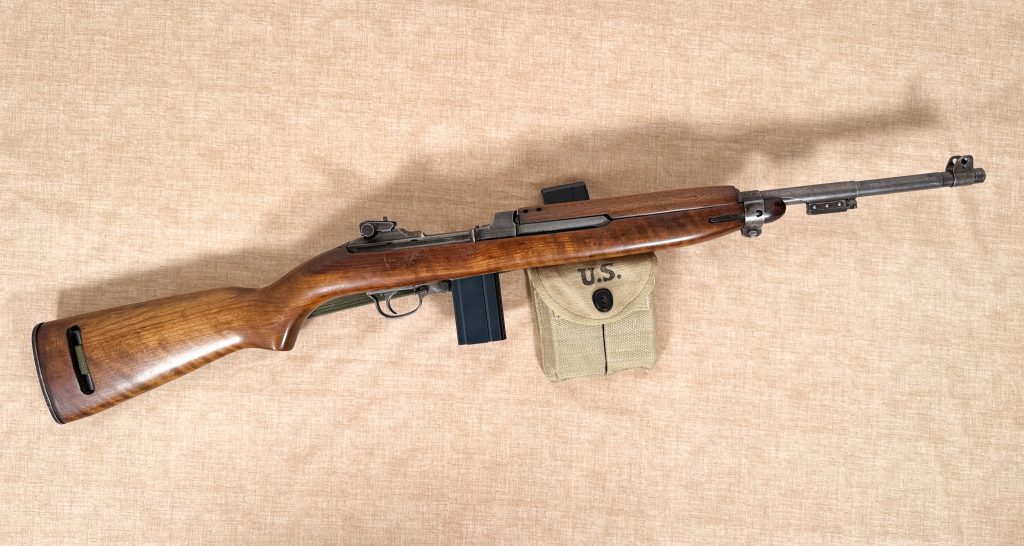
Collecting Military Arms Today
With current world issues limiting the supply of historic military arms, you’d might suspect a diminishing desire for such weapons. That, however, isn’t the case. That’s because this genre of collecting is adjusting and adapting. The newest members aren’t on the hunt for World War relics, but are instead building and collecting representations of armaments used during the Global War on Terror.
Commonly referred to as “clones,” this desire to develop and copy guns that soldiers used has forced firearm and accessory makers to adapt to the growing demand. Examples include FN with their Military Collector Series M4, M16A4, and M249 SAW rifles, Brownells with their RETRO line (that includes early experimental models of AR-15s as well as HK 416 clones), and Palmetto State Armory and their acquisition of Harrington & Richardson.
Final Thoughts
While traditional military arms collecting has become increasingly complex, it remains a passion for many. Ultimately, it requires patience, attention to detail, and some cash. Conversely, the “clone” community has established itself, with manufacturers curating products for that crowd. As more veterans and enthusiasts demand more options, that genre is expected to continue growing.
It is not all bad, then, for collectors. The only thing that’s changed is the arena. I encourage you, if you haven’t already, to delve into the world of firearms collecting. It is a fun, rewarding, and fascinating pursuit, filled with amazing people who share a passion for preserving history.