

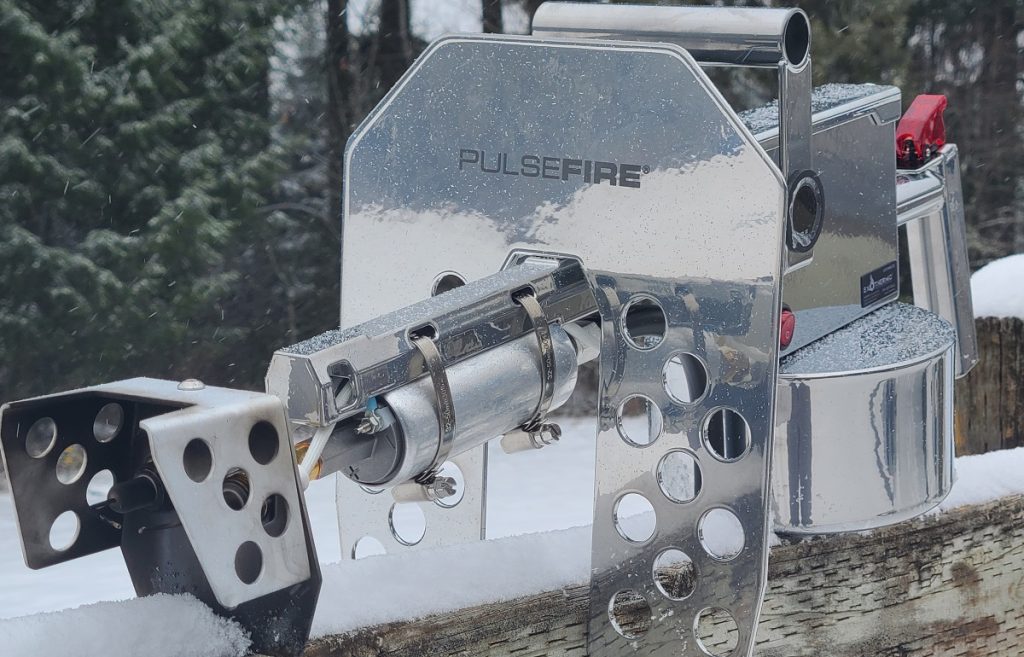
While a flamethrower may rarely top the list of most needed item, it seems like everyone wants one. I’ve had one of the XM42 models for years and found both enjoyment and use, despite a few minor issues. The Exothermic Pulsefire LRT (long-range torch) came to me last year, and I was excited that the design improved on the few issues I’ve had with my older XM42, at least on paper.
Does this translate to a better end result? Read on…
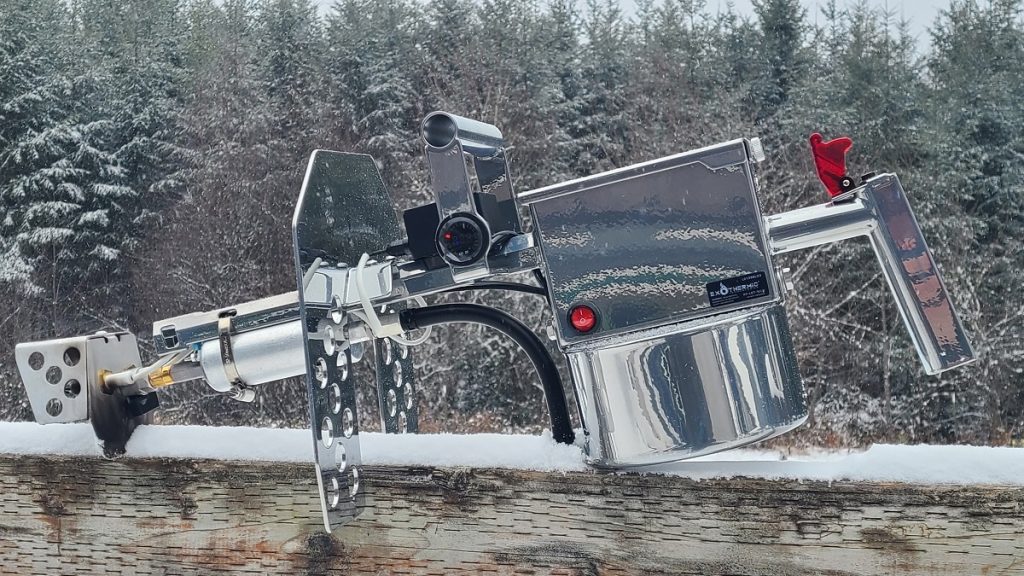
Tech Specs:
| Length | 25.7 in |
| Width | 8.5 in |
| Height | 10.0 in |
| Weight | 6.0 lb |
| Ignition | High frequency electric spark |
| Default Nozzle | 0.72″ solid stream |
| Typical Reach | ≥ 25 ft* |
| Fuel Capacity | 0.35 gal |
| Compatible Fuel | Gasoline, gasoline-diesel mixture |
| Primary Materials | Aluminum, Viton, brass |
| Finish | Powder coat |
| Battery | 2200 mAh 3-cell rechargeable lithium |
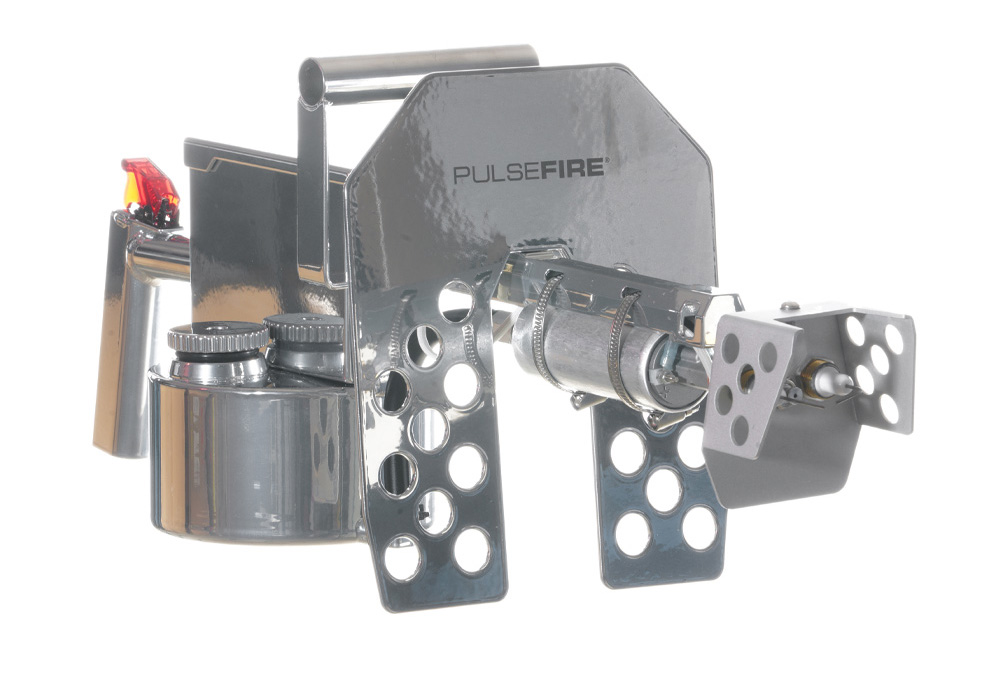
Breakdown:
The Pulsefire LRT is solidly built, and at about 6 pounds, it’s not excessively heavy. Nothing about the Pulsefire feels flimsy, which is what you need when you’re running a machine that spirts 1/3 a gallon of gasoline through an electric arc.
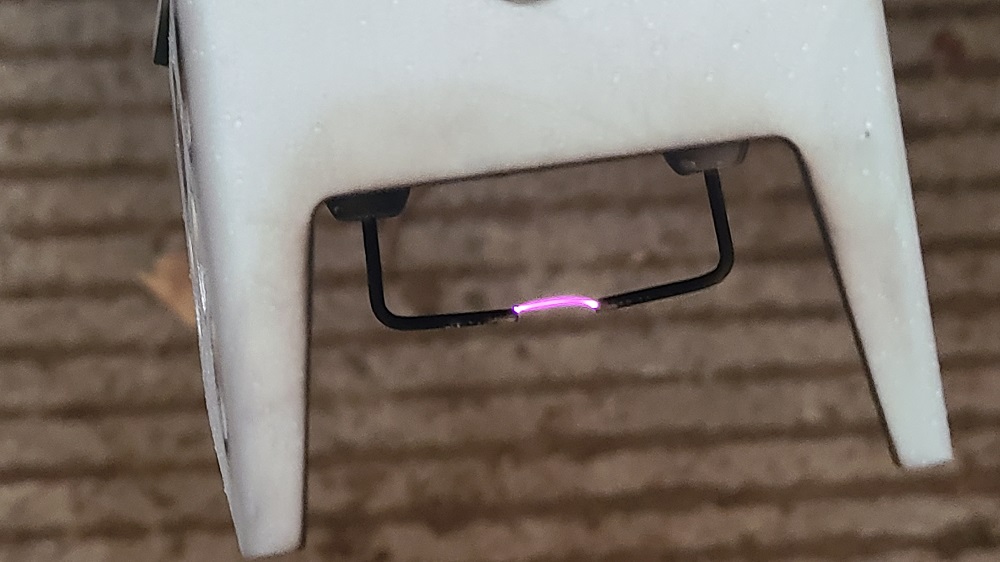
The Exothermic Pulsefire LRT fixes two issues I had with the XM42. First, the XM42 was a pain in the ass to access the battery for recharging. The Pulsefire uses a thumbscrew to remove the plate that houses the battery, whereas the XM42 needed an Allen key. Recharging shouldn’t be a chore. Second, the XM42 uses a butane canister for its pilot light, while the Pulsefire LRT uses an electric arc to spark the fuel.
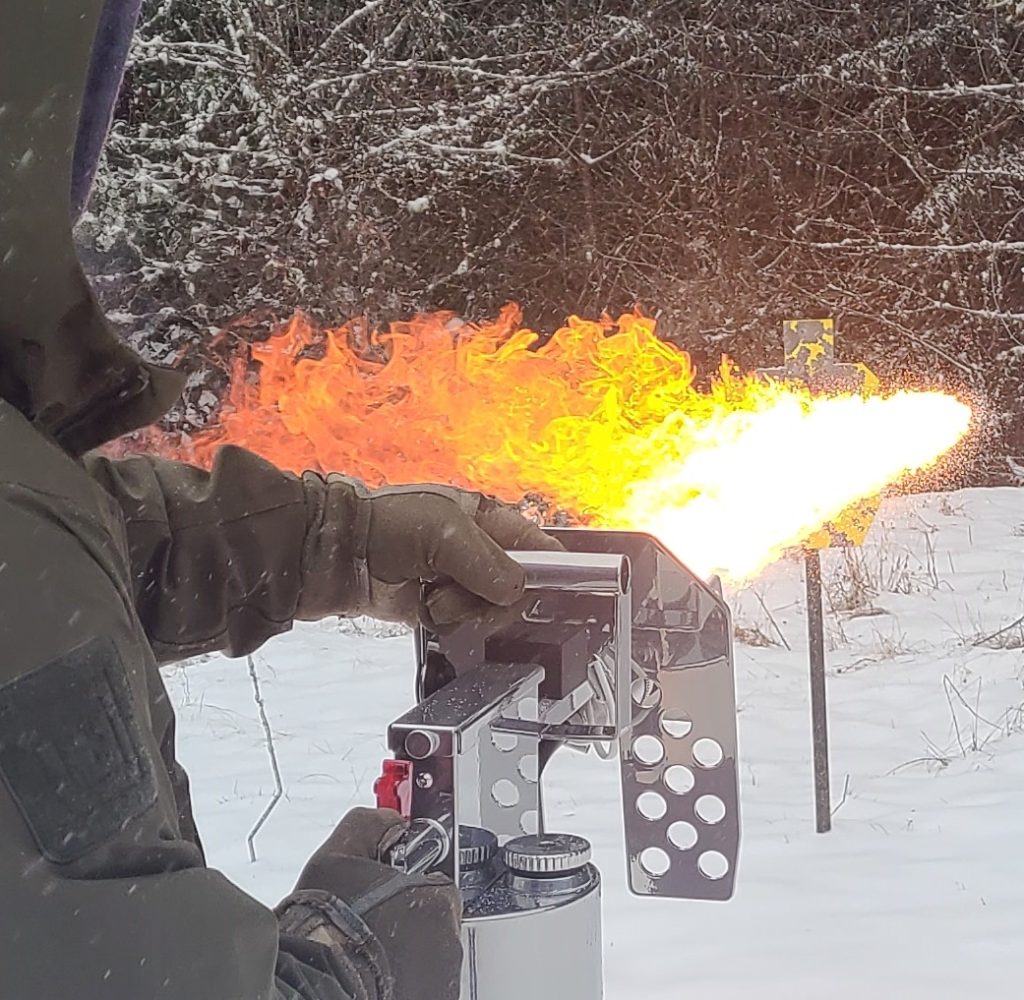
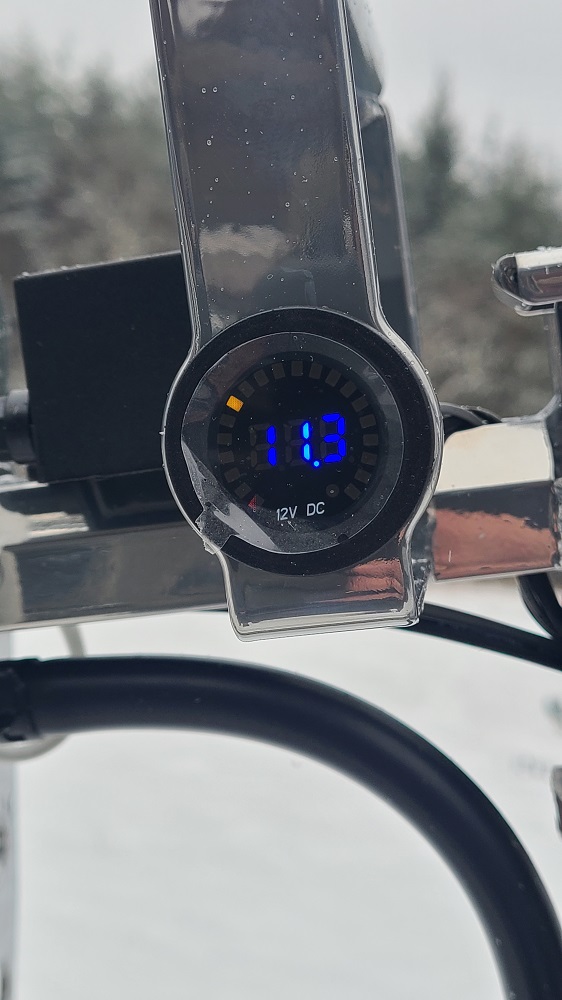
As a bonus, the Pulsefire LRT has a digital readout displaying the battery voltage. The system shuts off at 10.5 volts so you know to recharge.
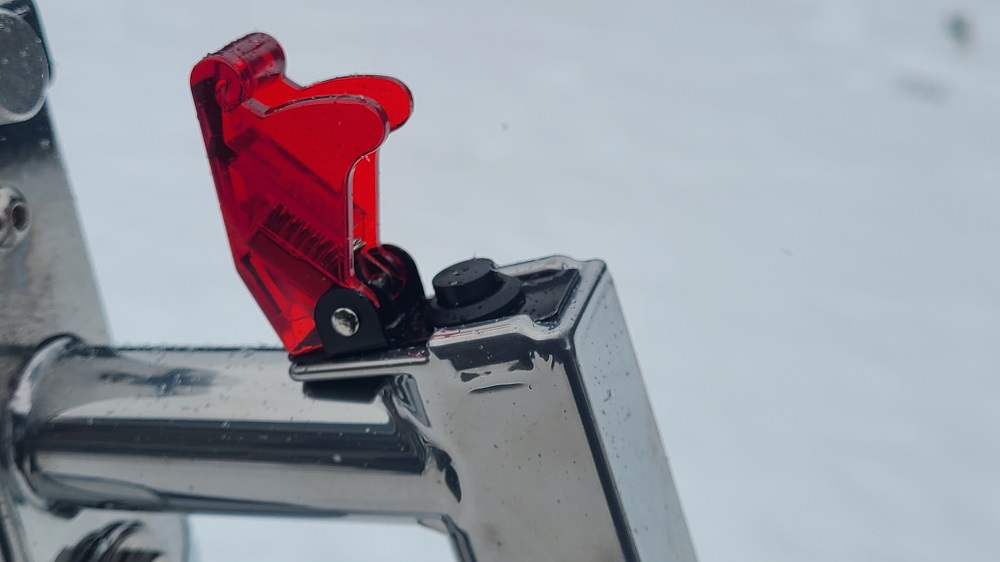
In addition to being highly functional, the Pulsefire LRT has a good aesthetic as well. Mixing some retro/future military style, best part is the “missile lock” style switch protecting the fire button.
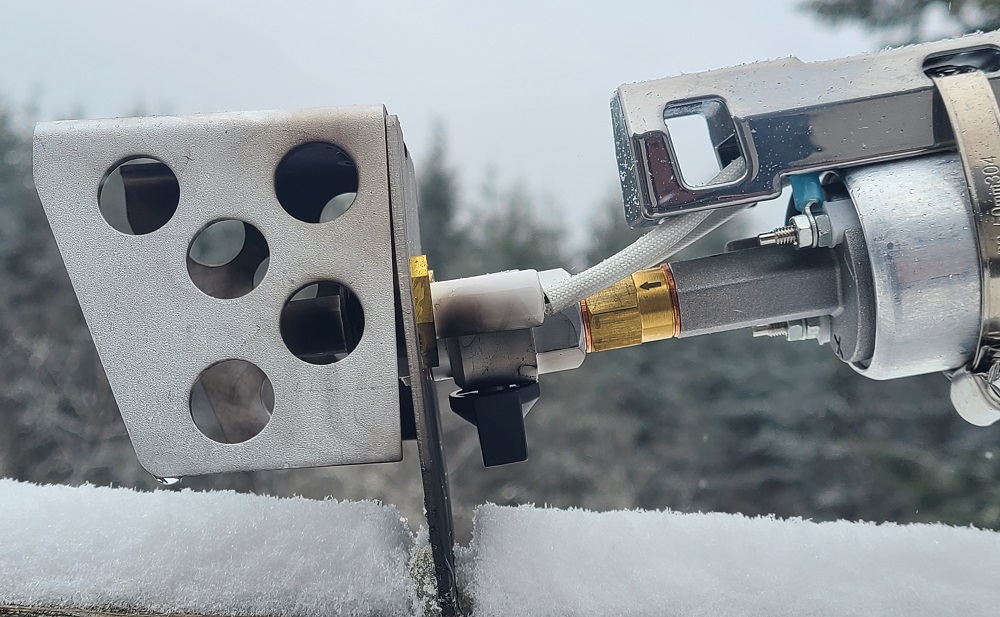
Redundant safety is definitely at play here. Clearly, the consequences of drenching someone in burning fuel are too great to leave up to chance. Besides the system on/off button and the “missile lock” switch cover protecting the fire button, there’s also a manual fuel shut-off valve just behind the nozzle, meaning this thing can be totally shut down for safe storage.
Aim, Fire!
Have you ever ran into the problem where something needs to be engulfed in flame, but it’s fully 25 feet away and you can’t be bothered to walk over there? Well, the Pulsefire LRT is the answer. Besides just having fun, a flamethrower is handy for wasp nests, farm burn piles, or boosting your failing bonfire.

Earlier we talked about the low voltage cutoff. When you’re dumping gas, the voltage naturally drops due to the fuel pump and arc. While the voltage comes back up between “shots”, the system sometimes registers “low voltage” and keeps the pump shut off for a few seconds. Keeping the battery topped off seems to prevent this little delay. 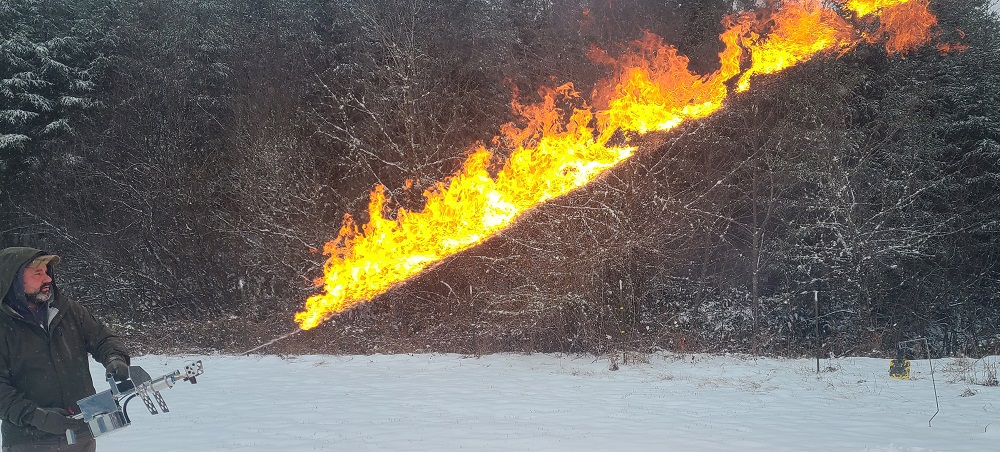
The fuel mixture is where you get to have a little bit of fun. You can use straight up gasoline or a mixture of up to 50% diesel. I’ve found ethanol free gas to have a better effect than E85. A 100% gas run will burn with more “whoosh” and visual effect, but mixing in some diesel helps the fuel to stick and burn longer, despite not spraying quite as far. When I’m hitting my homestead’s burn piles (occasionally wet or rotten material included) I use a diesel mix. While other petroleum based fuels can be used, these are officially unsupported by Exothermic.
 If 27 seconds of spray time per fuel tank doesn’t sound like a long time, consider putting your hand on a hot stove for that long. 27 seconds represents a cyclic rate of fire for the Pulsefire, when you use controlled bursts you obviously extend that time out considerably. With the arc ignition system you feel less pressure to finish off the tank unnecessarily unlike with the XM42.
In the same vein, 25 feet doesn’t seem like a long distance. If I’m taking a shot on a ground squirrel, that’s a guaranteed hit unless lightning strikes me. When a billowing fireball is pluming outwards, 25 feet doesn’t feel like a terrible limitation. The Pulsefire LRT is a billet aluminum piece, robotically welded and with fluoroelastomer seals. To be frank, I haven’t beaten this thing up in the same way I do with a gun review. There’s some small part of my brain that remains stubbornly opposed to burning to death. Every aspect of the Pulsefire feels well built and sturdy, something I’m certain Exothermic’s engineers (and lawyers) went over with a fine toothed comb before approving the final build.
As a side note, flamethrowers definitely work better in temperatures above freezing. Gasoline gets thicker at colder temps, providing less flammable vapor and leaving more fuel slowly burning on the ground. Grabbing pictures at 19 degrees (F) was less impressive than the warmer days I’ve used this on, just blame physics and not the LRT.
Bottom Line
The Exothermic Pulsefire LRT makes a good showing, giving you a realized version of how a personal flamethrower should perform. Many won’t find a need for a product like this, but few won’t find at least a little desire for one stirring in their hearts.
The arc ignition system is a generational improvement over the butane canister ignition device.
The Exothermic Pulsefire LRT currently runs $629.99. Do you need one? I don’t know, but whether it’s a need or a want, this is a well-built and highly functional option for you to consider. I only plan on keeping one flamethrower around, and this is the one.
See more of author Jens “Rex Nanorum” Hammer at The Truth About Guns, and Ammoland.
spurts. just sayin’.
Well, it would certainly come in handy if followers of Charlie Manson break into your house instead of Sharon Tate’s and then try to murder you by the swimming pool.